That question usually comes up just after someone falls for the view, the layout and the thought of escaping to the countryside whenever they please. Can you live in holiday lodges? The honest answer is usually no, not as your full-time permanent home – but the real picture is a bit more nuanced than that, and it is worth understanding before you buy.
For many buyers, a holiday lodge offers exactly what they want: comfort, privacy, modern fittings and a proper home-from-home in a setting that feels a world away from daily routine. What matters is knowing where holiday use ends and residential use begins, because the difference affects how you can use the lodge, what paperwork applies and whether it suits the lifestyle you have in mind.
Can you live in holiday lodges legally?
In most cases, a holiday lodge is intended for holiday use rather than permanent residence. That means you can stay there for breaks, longer visits and regular getaways throughout the year if the park allows it, but you usually cannot use it as your main home address.
The reason is not usually about the lodge itself. Many modern lodges are beautifully finished and feel every bit as comfortable as a traditional bungalow. The key issue is the park’s planning permission and site licence. If the park is approved for holiday accommodation, owners and guests are expected to use it for leisure purposes only.
This is where people can get caught out. A lodge may be spacious, warm and open 12 months of the year, but that does not automatically make it residential. Year-round access is not the same as full residential status.
The difference between a holiday lodge and a residential lodge
This is the part that deserves close attention.
A holiday lodge on a holiday park is usually sold as a leisure property. It is there for holidays and regular escapes, not as a main residence. You may be asked to confirm that you have a permanent residential address elsewhere, and the park may have rules about the length or nature of your stays.
A residential lodge, by contrast, sits on a park with the correct residential planning consent. That means owners can usually live there as their primary home, subject to the terms of the site agreement.
The buildings can look very similar from the outside, which is why buyers sometimes assume the legal position is similar too. It is not. Before anything else, ask whether the park is licensed for holiday use or residential use. That single point shapes everything that follows.
Why the rules matter so much
If you buy without checking, you could end up with a lodge that suits your taste but not your plans. If your aim is to downsize and live there permanently, a holiday-only park may not be the right fit. If your aim is to enjoy frequent countryside breaks in a place that feels like your own, a holiday lodge can be an excellent choice.
There is no point pretending the distinction is small. It affects council tax arrangements, postal addresses, finance options, insurance and how the park is managed. It also affects peace of mind. Most buyers want clarity, not grey areas.
What to check before buying a holiday lodge
If you are considering ownership, a few practical questions will tell you very quickly whether the lodge matches your lifestyle.
Start with the park’s planning status. Ask directly whether the lodge can be used as a permanent residence. If the answer is no, ask what holiday use looks like in practice. Some parks offer generous access across the year, which is ideal for owners who want flexibility without making the lodge their legal main home.
Then ask about the season length. Some holiday parks close for part of the year, while others are open for 12 months. That difference can be significant if you want to visit often, especially outside the summer season.
You should also ask about the terms of occupation, site fees, utilities and any rules on guests, subletting or age of the lodge. A good park will explain these clearly and welcome the questions.
Can you stay for long periods?
Often, yes. Many owners use their holiday lodge regularly and for extended breaks, particularly if the park has a long or full-year season. That can make ownership feel far more flexible than people first expect.
But long stays are still not the same as permanent living. If the lodge is on a holiday park, you should be comfortable with the idea that it is your retreat rather than your official home.
Why people still choose holiday lodge ownership
For the right buyer, this is not a drawback at all. In fact, it is part of the appeal.
A holiday lodge gives you a place that is ready when you are. No airport queues, no scrambling for availability, no wondering whether a last-minute booking will live up to the photos. You can keep your things there, settle into your favourite routine and enjoy the familiarity of returning to your own space.
For couples nearing retirement, semi-retired owners and families wanting an easy UK escape, that can be a lovely balance. You keep your main home, but you gain a countryside base for weekends, longer breaks and spontaneous stays whenever you need a change of pace.
If the park also offers good facilities, attractive surroundings and a strong sense of community, ownership can feel less like buying accommodation and more like buying time well spent.
Is a holiday lodge right for your lifestyle?
That depends on what you want from it.
If you are looking for a permanent move, you need a residential park and clear written confirmation that full-time living is allowed. If you are looking for a second place to relax, fish, walk, unwind and enjoy regular breaks in comfort, a holiday lodge may be exactly right.
Many buyers are not trying to replace their main home at all. They want a simpler kind of escape – somewhere peaceful, well kept and easy to return to throughout the year. In that case, holiday lodge ownership can make a great deal of sense.
This is especially true if you value quality surroundings over busy entertainment. A well-situated lodge on a park with scenic views, leisure amenities and practical comforts can offer the sort of home-from-home experience that hotels rarely do.
Questions worth asking on a park visit
When you visit a park, take the chance to look beyond the lodge itself. The setting, the upkeep and the atmosphere matter just as much as the interior finish.
Ask how owners typically use their lodges. Ask whether the park is open all year. Ask what facilities are on site and whether they suit how you like to spend your time. If fishing, walking, café facilities or a quieter pace of life are part of the attraction, those details can make all the difference.
It is also sensible to ask how the park supports owners over time. Buying a holiday lodge is partly about the property, but it is also about the place. A friendly, well-run park with a welcoming feel tends to be far more rewarding than one that simply looks good in the brochure.
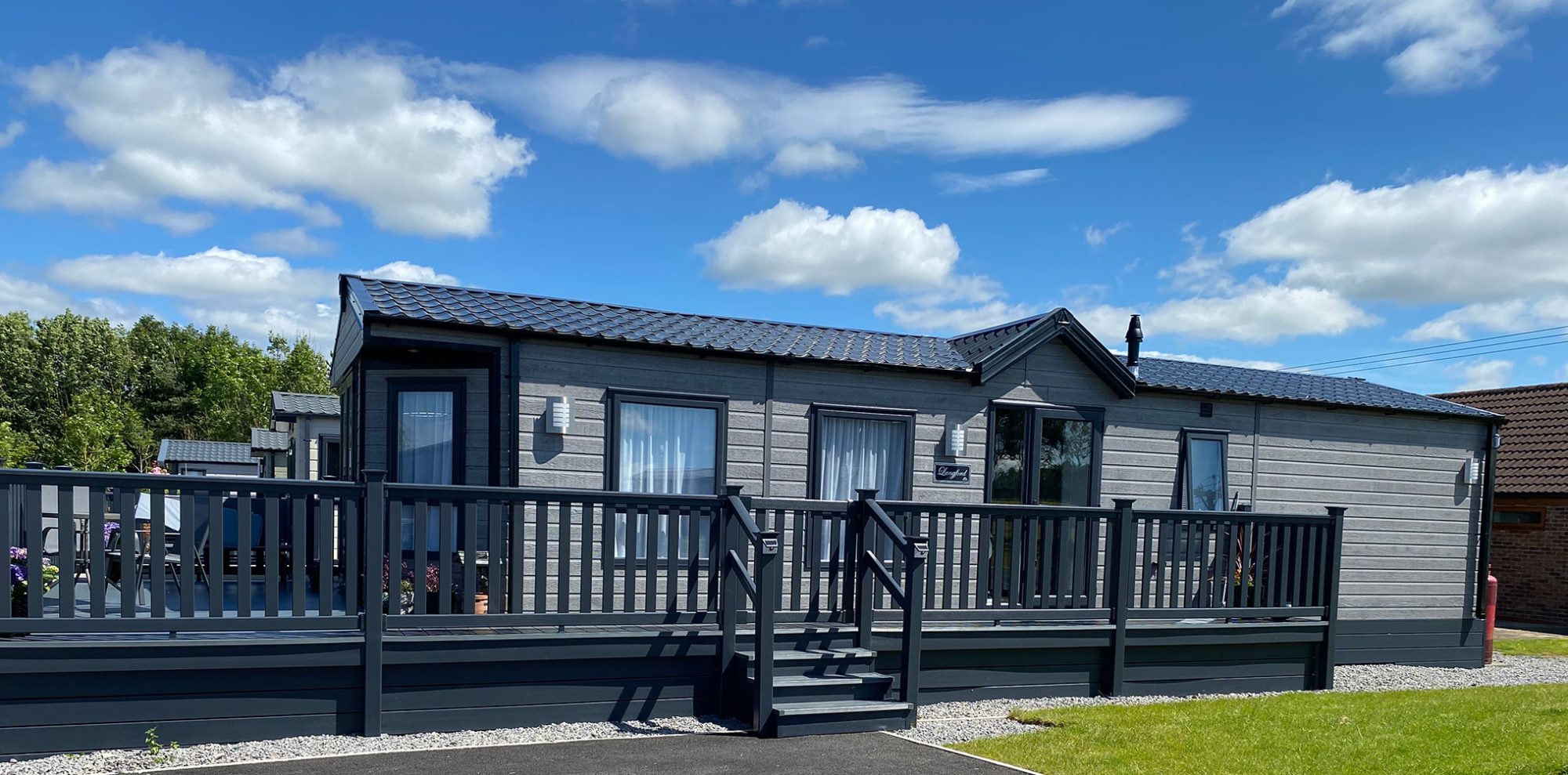
At Parklands Caravan Park, for example, the appeal for many buyers is not just the lodge itself but the wider lifestyle – countryside surroundings, quality plots, fishing lakes and the comfort of having everything in one place.
The most sensible answer to can you live in holiday lodges
So, can you live in holiday lodges? If by “live” you mean use one as your sole, permanent home, the answer is usually no unless the park has specific residential consent. If by “live” you mean spend plenty of time there, enjoy regular stays and make it a big part of your lifestyle, then very often yes.
That is why it pays to be clear from the outset. A holiday lodge can be a wonderful investment in your leisure time, comfort and wellbeing, but only if it matches how you intend to use it. There is no substitute for asking direct questions, reading the paperwork carefully and choosing a park that is open about the difference.
If your idea of ownership is less about changing your address and more about having a beautiful place to return to, again and again, a holiday lodge can be a very good fit – and sometimes that is the better dream anyway.