
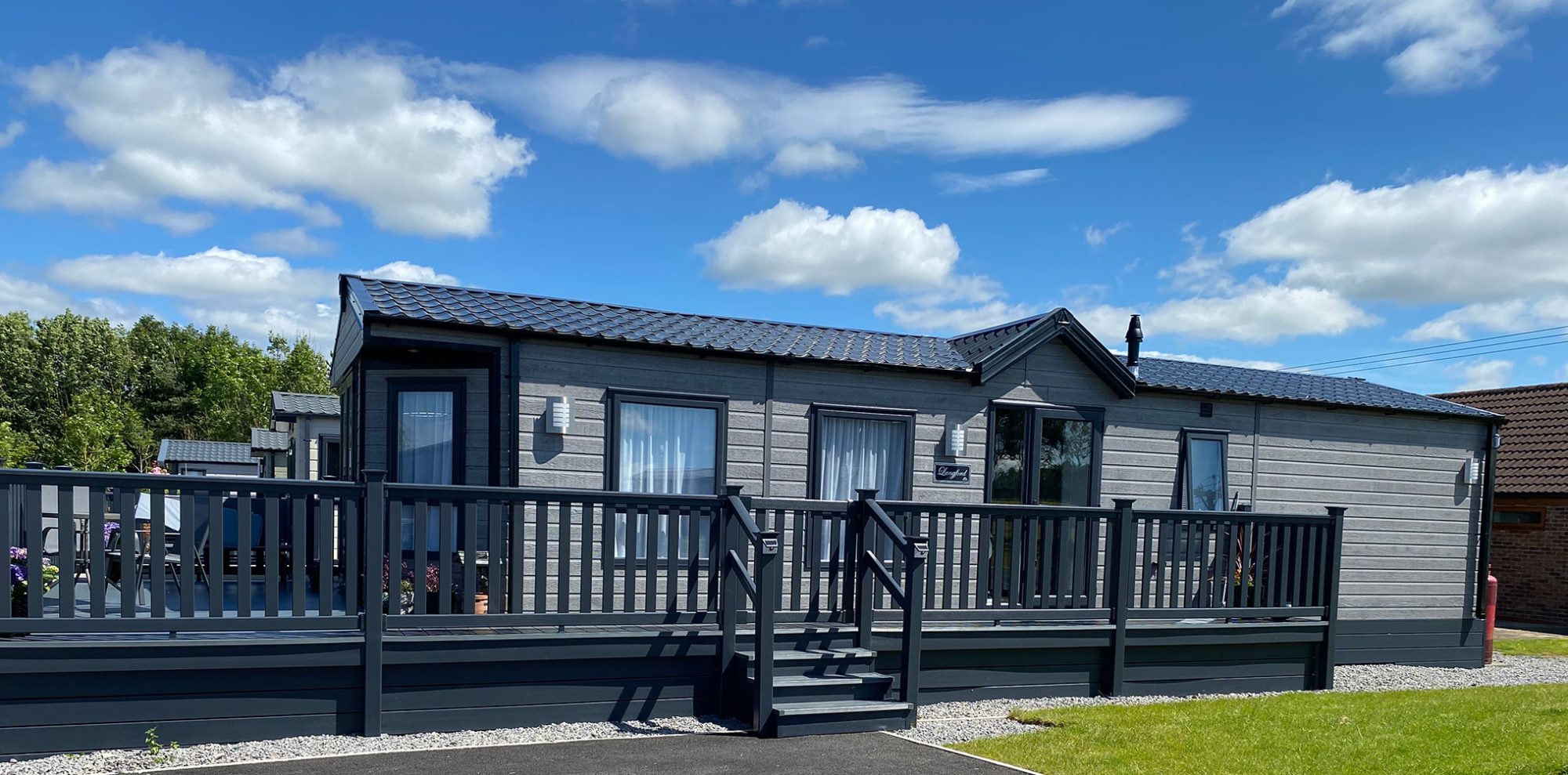
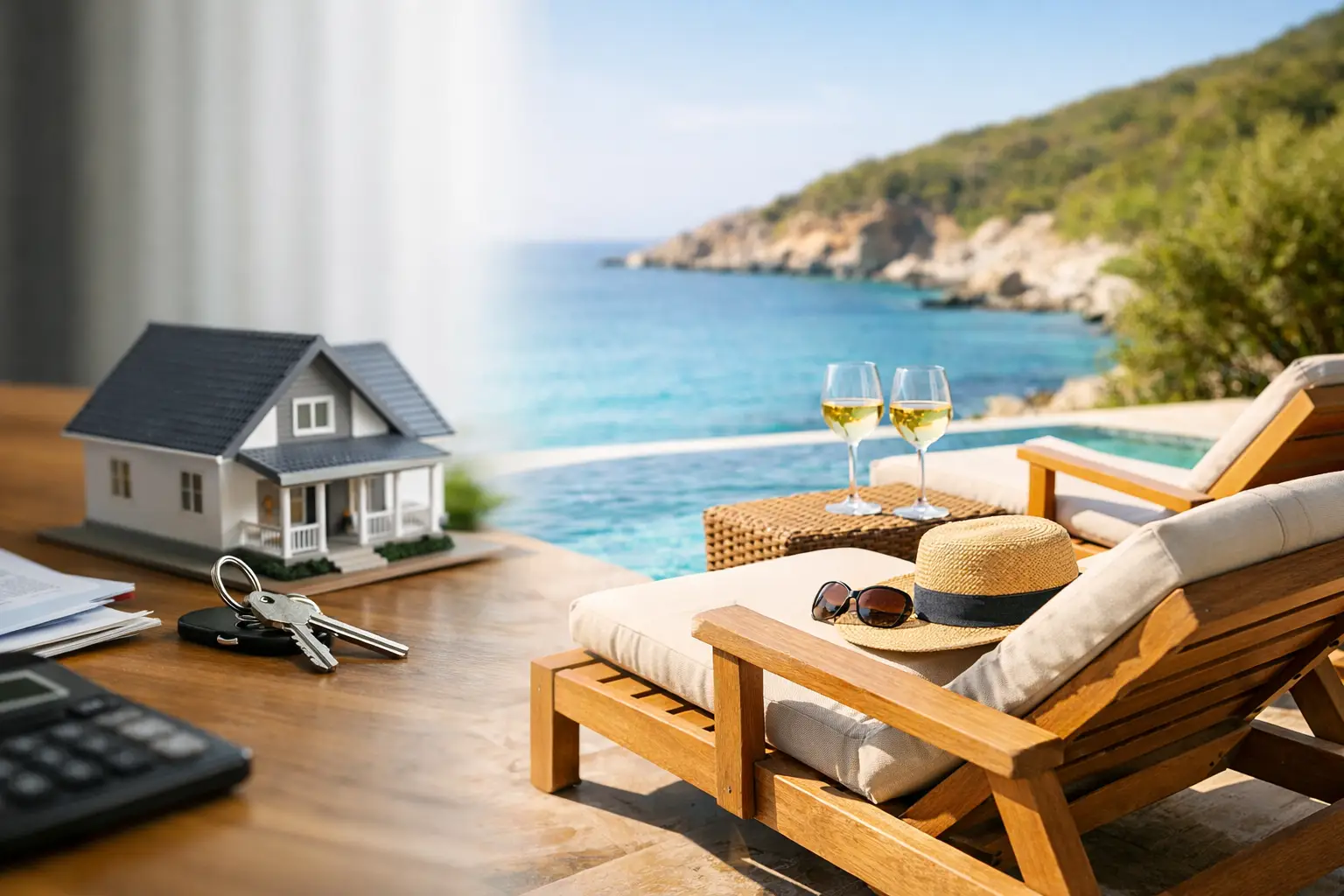
One family books three UK breaks a year, spends half the time comparing prices, and still has to pack everything from scratch. Another keeps the same favourite spot, knows exactly where the good walks start, leaves the kettle, coats and fishing gear ready to go, and heads off whenever the mood takes them. That is usually the real question behind are holiday homes worth buying – not just whether they add up on paper, but whether they genuinely improve how you spend your free time.
For some buyers, the answer is a clear yes. For others, renting or touring remains the better fit. The difference usually comes down to how often you plan to use it, what sort of breaks you enjoy, and whether you see a holiday home as a lifestyle purchase rather than a purely financial one.
Are holiday homes worth buying for regular UK breaks?
If you already holiday in the UK several times a year, ownership can make a lot of sense. The biggest appeal is ease. You are not starting from zero each time. Your things are there, the setting is familiar, and the break begins the moment you arrive.
That matters more than people sometimes expect. A holiday home can turn occasional trips into a regular habit because there is less planning, less stress and less compromise. For retired or semi-retired buyers, that often means spontaneous midweek stays. For families, it can mean school holiday breaks without the scramble to find suitable availability. For couples, it often becomes a dependable place to relax, walk, fish, read, cook and switch off.
There is also a comfort factor. Good holiday parks offer a proper home-from-home feel, with modern fittings, well-kept surroundings and useful on-site facilities. If you choose carefully, ownership feels less like booking accommodation and more like having your own countryside retreat.
That said, frequency matters. If you think you will visit once or twice a year and prefer trying different places each time, ownership may feel restrictive. A holiday home tends to suit people who love returning to the same area and want familiarity, routine and convenience.
The value is not only financial
People often ask the question as though it has a simple investment answer. In reality, holiday homes sit in a middle ground. They are a purchase with ongoing costs, but they also deliver something many buyers actively want – time away made easier.
If your only aim is capital growth, a holiday home may not be the right route. Unlike a main residence, it should not be viewed as a guaranteed appreciating asset. Depreciation, site fees, maintenance and running costs all need to be considered honestly.
But if your aim is to get more use out of your leisure time, reduce the effort of arranging trips, and create a place that feels personal, the value can be very real. Buyers are often paying for convenience, quality of life and access to a setting they genuinely enjoy returning to.
That is why the right question is often not “Will it make me money?” but “Will I use it enough to make it worthwhile?”
Costs to think about before you buy
A good purchase starts with clear expectations. The purchase price is only one part of the picture. You also need to understand annual site fees, utilities, insurance, maintenance and any seasonal or ownership rules attached to the park.
None of that should put you off, but it should shape your decision. A well-run park will be transparent about what ownership includes and what it does not. That clarity matters because hidden surprises are what make buyers feel uneasy later.
It is also worth looking at value rather than headline cost alone. A cheaper holiday home in a less appealing setting may not deliver the same enjoyment as one in a park with stronger facilities, better surroundings and a more relaxed atmosphere. If you are buying for regular use, the quality of the site experience matters every bit as much as the unit itself.
For many buyers, practical extras make a real difference. Easy access, a peaceful location, modern amenities, fishing, a café, scenic views and a sense of community all add to the day-to-day enjoyment. Those things are not just nice details. They often determine whether owners visit often or leave the home unused for long stretches.
Are holiday homes worth buying if you want flexibility?
This is where honesty helps. A holiday home gives you one familiar base, not endless variety. If your ideal year involves Cornwall in spring, the Lakes in summer and Scotland in autumn, you may prefer the freedom of booking different stays.
If, though, you already know the sort of setting you love, ownership can feel wonderfully straightforward. Many buyers are not looking for constant novelty. They want somewhere peaceful, comfortable and easy to return to, with enough nearby to enjoy each visit.
A countryside park works especially well for that kind of buyer. Walks change with the seasons, local towns and villages offer different days out, and on-site leisure gives you something to enjoy without needing to travel far. A quiet morning by the water can be just as valuable as a packed itinerary.
In other words, ownership suits people who value dependable enjoyment over endless choice.
Choosing the right park makes all the difference
Two holiday homes at a similar price can offer very different experiences depending on where they are sited. That is why the park itself deserves as much attention as the model you are considering.
Look beyond glossy photos and ask how the place feels. Is it peaceful? Is it well maintained? Are the facilities genuinely useful, or just there to sound impressive? Is the location convenient enough for regular visits? Can you picture yourself there in ordinary weeks, not just on a sunny viewing day?
For many buyers, the best parks strike a balance between comfort and practicality. They feel welcoming rather than flashy. They offer quality surroundings, but also the sort of amenities that make regular stays easier and more enjoyable. If fishing, walking, café facilities or scenic lake views matter to you, those details should be part of the decision, not an afterthought.
This is where viewing in person matters. You can usually tell quite quickly whether a park feels like somewhere you would genuinely return to often.
Who tends to get the most from ownership?
Holiday home ownership tends to suit buyers who already know what they enjoy. Mature couples often like the comfort of having their own place ready throughout the year. Retired and semi-retired owners value the freedom to take longer or more frequent breaks. Families often appreciate having a reliable base for time together without the uncertainty of rising accommodation prices and limited availability.
It can also be a strong fit for people whose leisure time centres on the outdoors. If you enjoy fishing, walking, golf or simply being in the countryside, a holiday home can become part of your weekly or monthly routine rather than something reserved for one main trip a year.
That regular use is what turns ownership from a nice idea into a worthwhile one.
When buying may not be the right move
There are sensible reasons not to buy, and it is worth saying so plainly. If your finances would feel stretched by the purchase and ongoing costs, waiting is often the wiser choice. A holiday home should feel enjoyable, not like a burden.
It may also not suit you if you rarely take UK breaks, prefer constant variety, or are unsure where you want your base to be. In those cases, touring or renting gives you more flexibility and less commitment.
The buyers who end up happiest are usually the ones who have already tested the lifestyle in some form. They know they enjoy the area, they understand how often they would visit, and they are buying because it fits the life they want now – not because it sounds good in theory.
So, are holiday homes worth buying?
Yes, they can be – when the lifestyle matches the commitment. The best holiday home purchases are rarely about chasing returns or making a rushed decision after one sunny weekend. They are about creating an easier, more comfortable way to spend your time, in a place you genuinely want to come back to.
For buyers who value peaceful surroundings, modern comforts and simple pleasures like a lakeside view, a good café nearby or the chance to fish without planning an entire trip around it, ownership can feel like money very well spent. At Parklands Caravan Park, that is exactly why many owners choose to buy: not just for a place to stay, but for a better way to enjoy their free time.
If you are weighing it up, picture an ordinary Tuesday as much as a bank holiday weekend. If the thought of heading to your own place for a quiet few days sounds like a relief rather than a luxury, you may already have your answer.