Retirement Holiday Home Example Worth Considering

Retirement Holiday Home Example Worth Considering

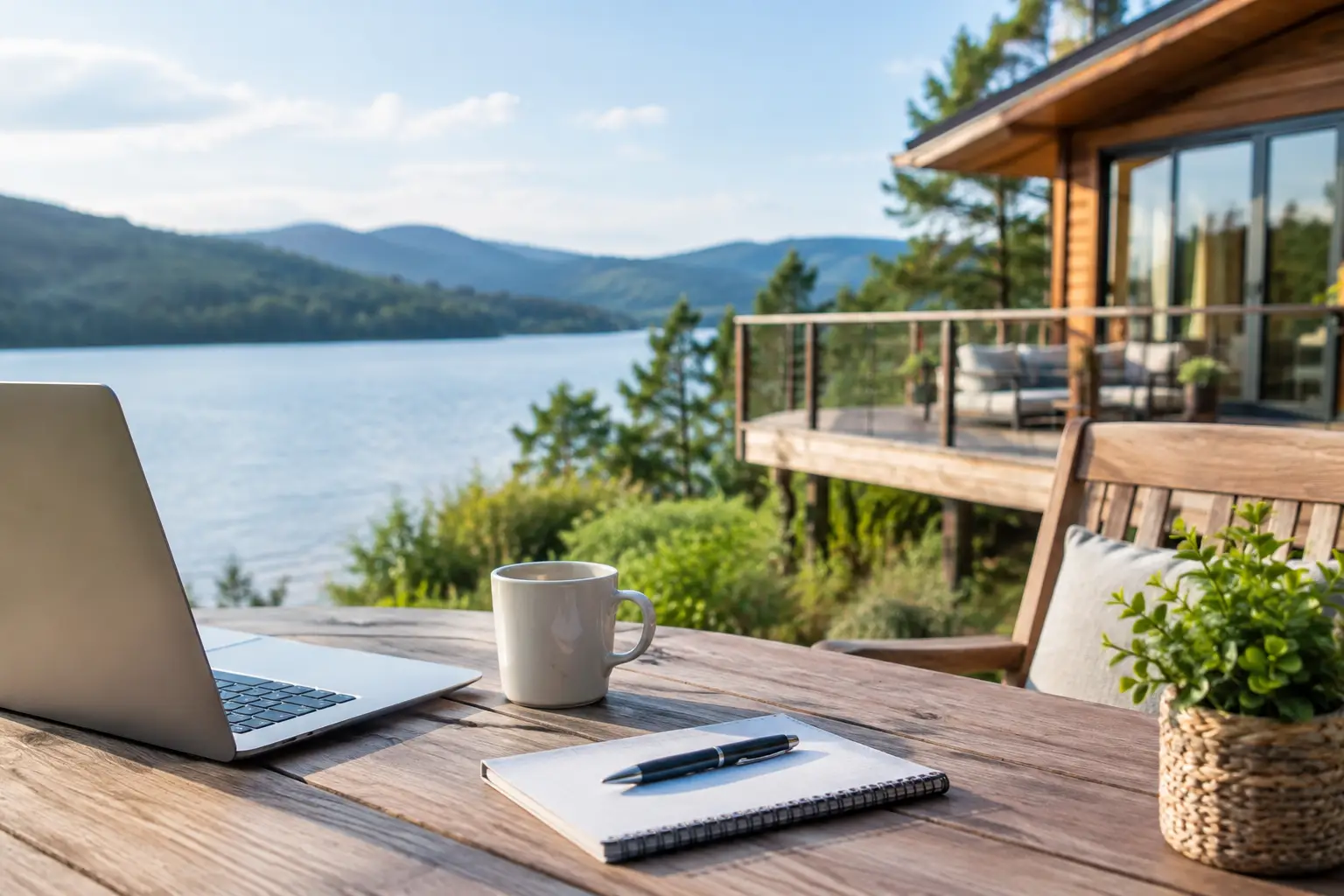
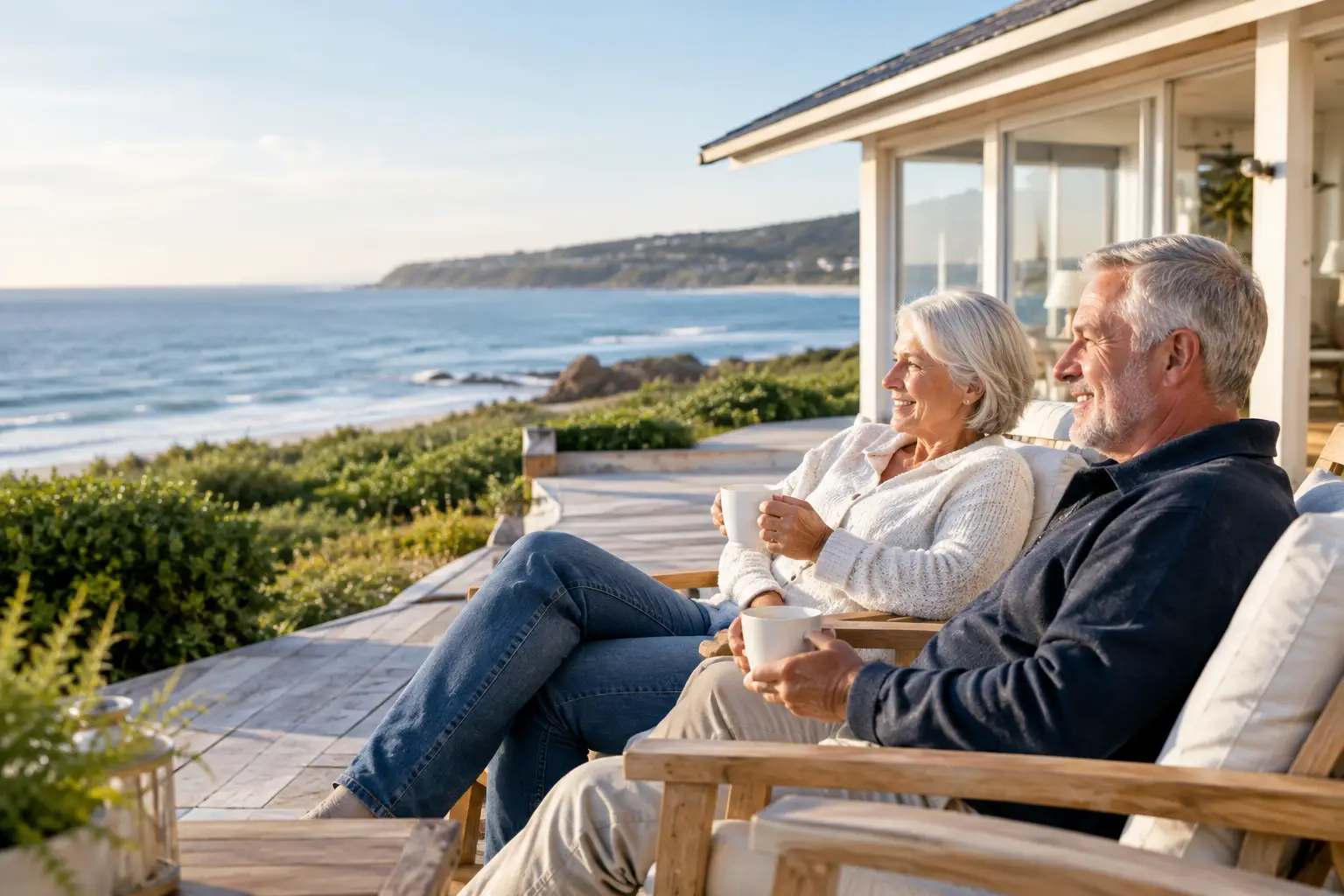
Picture a Thursday morning with no rush to pack the car home by Sunday evening. You make a cup of tea, look out across the water, decide whether to take a walk or set up by the lake, and stay for as long as you like. That is the appeal behind a retirement holiday home example: not simply a place to visit, but a comfortable base that makes more frequent, unhurried breaks possible.

For many people approaching retirement or already enjoying it, ownership is less about ticking off another purchase and more about shaping their time. A well-chosen holiday home can offer familiarity, freedom and the pleasure of having your own things exactly where you want them. The best examples also keep day-to-day practicality firmly in view.

What a retirement holiday home example can look like

Imagine a retired couple living within a manageable drive of North Yorkshire. They enjoy the countryside but do not want the upkeep, cost or commitment of a second bricks-and-mortar house. They choose a modern lodge or luxury caravan on a holiday park with a long season, peaceful surroundings and facilities they will genuinely use.

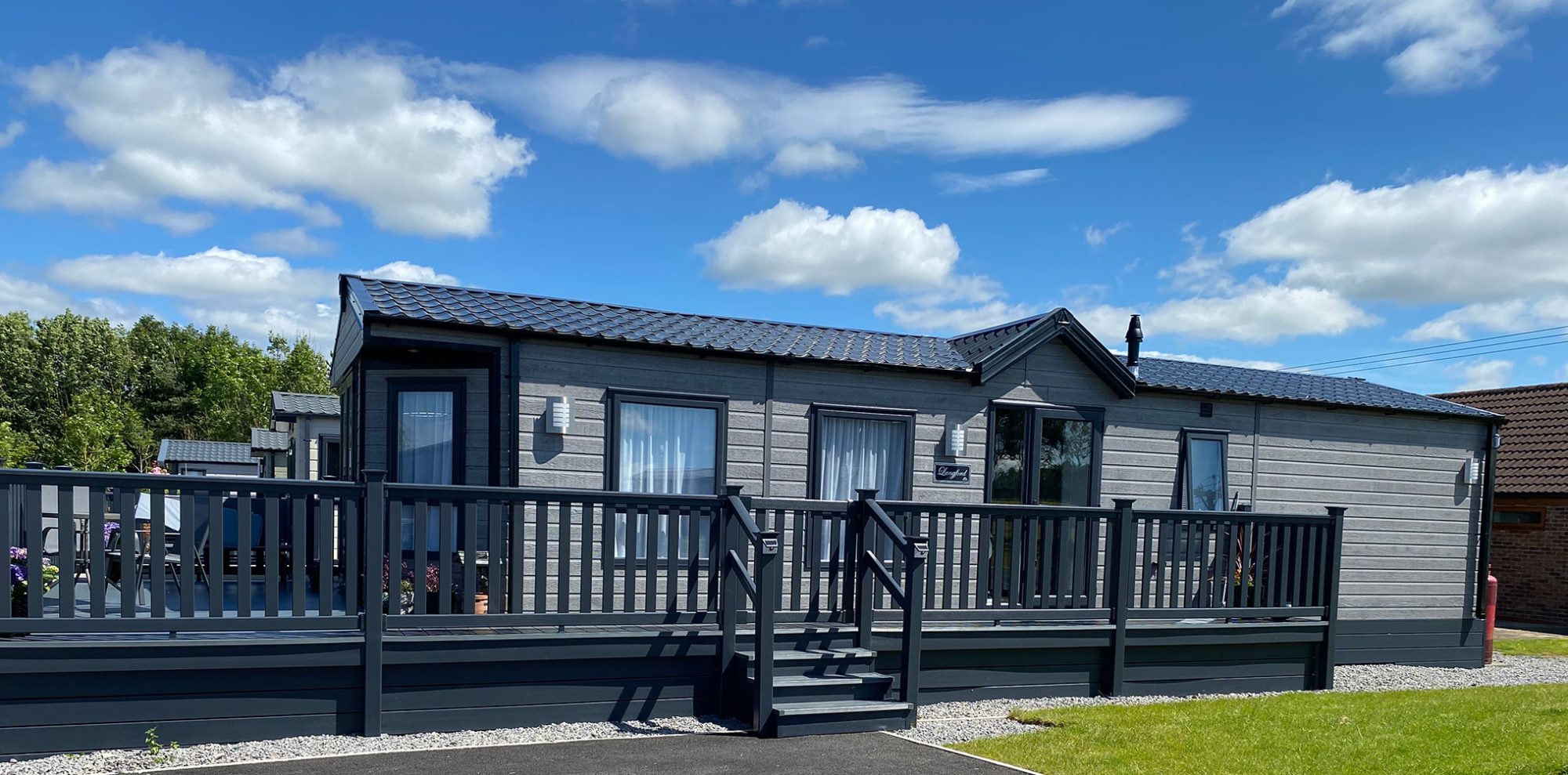
Their holiday home has a bright, open-plan living space, central heating, proper insulation and comfortable bedrooms for visiting children or grandchildren. There is room for a relaxed breakfast, a rainy-afternoon film and a few personal touches that make it feel like theirs rather than a rental. Outside, a decked area gives them a place to sit with a coffee and enjoy the view.

They visit for long weekends outside school holidays, stay for a week when the weather is kind, and make use of the quieter months too. One partner enjoys coarse fishing; the other likes local cafés, garden centres and gentle walks. They can invite friends for lunch without having to find accommodation, and they know the route, the local shops and the people around the park.

That is a realistic retirement holiday home example because it combines the emotional benefit of getting away with the practical comfort needed to use the property regularly. It is not about constant activity. It is about having somewhere easy to arrive at and difficult to rush away from.

Why ownership can suit retirement

Retirement changes the value of time. A two-night break may once have been all a working week allowed, whereas a holiday home makes it easier to extend a stay when there is no diary to work around. You can avoid busy travel periods, take advantage of a sunny forecast and enjoy the area in every season.

There is also comfort in familiarity. Instead of repeatedly booking unfamiliar accommodation, carrying everything with you and hoping it meets expectations, you return to a place arranged around your preferences. Your favourite chair, kitchen essentials, walking boots and fishing gear can all be ready and waiting.

For couples, it can be a shared project with none of the pressure of a full house move. For families, it can become a dependable meeting place. The balance will be different for everyone. Some owners want a quiet adults-first escape, while others want a base where grandchildren can make happy memories. A good park and the right holiday home should support the version of ownership that suits your life.

Choose comfort that works beyond summer

A holiday home for retirement should feel inviting in April drizzle as well as July sunshine. When viewing models, look beyond the show-home styling and consider how you would actually live there for several days at a time.

Start with warmth. Central heating, double glazing and suitable insulation make a significant difference if you hope to use your holiday home throughout a longer season. Look at the living room seating, the dining area and the kitchen worktop space. Is there somewhere comfortable to read? Could two people prepare a meal without getting under each other’s feet? Would you be happy there during a wet afternoon?

Bedroom layout matters just as much. Twin rooms may be useful for guests, but some buyers would prefer one room for storage, hobbies or occasional overnight visitors. Check wardrobe space and whether the main bedroom feels easy to move around in. An en-suite can be a welcome convenience, particularly for longer stays.

Accessibility deserves an honest conversation too. Steps, parking position, shower access and the distance to park facilities might be easy now, but it is sensible to think ahead. You do not need to plan for every possibility. You do need a holiday home that feels straightforward and comfortable to use.

The setting is part of the purchase

The caravan or lodge is only half the picture. A beautiful model on an unsuitable plot will not deliver the lifestyle you imagined, while a well-placed home in a friendly setting can add enormous enjoyment.

Think about what you want to see when you draw the curtains. Some buyers love the openness of a lake-view plot; others prefer a quieter corner with more privacy. Visit at different times if possible. Notice the natural light, parking arrangement, walking routes and the general atmosphere of the park.

On-site amenities should be more than a sales brochure checklist. If fishing is one of the reasons you are buying, private coarse fishing lakes and nearby tackle provision can turn a short break into a genuinely relaxing routine. A café is equally valuable when you want a sociable breakfast, an easy lunch or simply a reason to get out for an hour. Nearby leisure, such as a golf course, can add variety without requiring a long journey.

At Parklands Caravan Park, this kind of countryside setting is paired with lake views, fishing and the comfort of having useful facilities close by. For buyers who want relaxed days rather than a busy resort schedule, that combination can make regular visits feel wonderfully uncomplicated.

Ask the practical questions before you commit

Holiday home ownership is a lifestyle purchase, but it is still a substantial decision. Clear answers now help you enjoy it with confidence later. Ask for a full breakdown of the purchase price, annual pitch fees, utilities, insurance and any expected maintenance costs. Find out what is included with the particular model and plot, rather than assuming every display feature comes as standard.

You should also understand the park’s season and the terms of the licence agreement. A holiday home is intended for holidays and leisure use, not as a permanent residential address. Ask how long the park is open, what identification or address arrangements apply, and whether there are rules about subletting, pets, visitors or the age of holiday homes on site.

It is worth asking about after-sales support as well. Who can help if you have a query about your holiday home? What happens with winter checks, gas safety, repairs or drainage issues? Friendly, straightforward answers are a good sign that the park values long-term owners rather than simply making a sale.

Finally, consider your likely pattern of use. If you expect to visit only once or twice a year, ownership may not be the right fit. If you can picture frequent long weekends, spontaneous midweek stays and family time in a place you know and love, the value is much easier to see.

Make the first viewing feel real

When you view a holiday home, do not just admire the cushions and imagine a perfect summer day. Sit down. Open the cupboards. Stand in the shower. Look through the windows from the sofa. Ask where you would put your coats, food shopping, fishing gear and outdoor furniture.

Try to picture an ordinary stay as clearly as a special occasion. Could you make breakfast comfortably? Is the walk to the lake or café pleasant? Would you enjoy the plot when the park is quieter? The right choice tends to feel less like a holiday brochure and more like a natural extension of your own routine, only with better views and more time to enjoy them.

A retirement holiday home can give you a reason to make the most of the freedom you have worked for. Take your time, ask the practical questions, and choose somewhere that makes every arrival feel like the start of a proper break.

Touring Versus Ownership: Which Suits You?

Touring Versus Ownership: Which Suits You?

There is a lovely moment at the end of a touring break when you look across the lake, pack away the chairs and think, “Could we do this more often?” That is where touring versus ownership becomes a genuinely useful question. Both offer fresh air, unhurried weekends and a chance to enjoy North Yorkshire at your own pace, but they suit rather different ways of spending your leisure time.

For some people, the freedom to hitch up and try a new route each trip is part of the pleasure. For others, having a beautiful, familiar holiday home waiting in a favourite setting is the real dream. The right choice is not simply about budget. It is about how often you want to get away, how you like to relax and what you want your time away from home to feel like.

Touring versus ownership: start with your holiday habits

A touring caravan gives you choice. You can plan a fishing weekend one month, head towards the coast the next and make a longer journey when the weather and diary allow. If discovering different places is central to your holidays, touring keeps your options open. It can also be a sensible fit for people who are still learning what they enjoy from a caravan break.

A holiday home or lodge has a different appeal. Rather than deciding where to go each time, you have a place you already know and look forward to returning to. You may have a favourite lakeside walk, a preferred table at the café and neighbours who become familiar faces. For many owners, that sense of belonging is every bit as valuable as the accommodation itself.

Think honestly about the past year. Have you taken several short breaks, wished you could leave on a Friday afternoon without a great deal of planning, or found yourself returning to the same area again and again? Ownership may be worth exploring. If your ideal holiday still involves a map, a new destination and the anticipation of the unknown, touring is likely to remain the better match.

The difference in comfort and convenience

Modern touring pitches can make a stay feel wonderfully straightforward. Electric hook-up, Wi-Fi and well-kept shower and bathroom facilities remove much of the rough-and-ready side of caravan travel. A good touring base lets you settle in comfortably while keeping the flexibility to move on whenever you choose.

Ownership adds another level of ease. Your own holiday home can be set up around the way you actually live. The kitchen has the pans you like to use. The cupboards hold your walking boots, fishing gear and board games. You do not need to load bedding, food and every last essential into the car before each break. You can simply arrive, put the kettle on and begin relaxing.

That convenience matters most to couples and families who intend to visit regularly. A spontaneous overnight stay or an extended summer break becomes far more realistic when the practical jobs are already done. It can be especially appealing for semi-retired owners who have the freedom to enjoy quieter midweek stays outside school holiday periods.

There is a trade-off, of course. A touring caravan is compact by nature, and some people enjoy the simplicity that brings. A holiday home usually offers more living space and a more settled, home-from-home feel, but it also means committing to one park and one location. Neither is automatically better. It depends on whether mobility or familiarity is more valuable to you.

Looking at costs with clear eyes

Touring generally involves lower commitment at the outset. You pay for your caravan, travel, pitch fees and the breaks you choose to take. This can make it easier to spread the cost of holidays over the year, particularly if you travel occasionally or enjoy trying different parks.

Ownership is a larger lifestyle purchase, so it deserves careful thought. Alongside the purchase price, prospective owners should ask about annual site fees, insurance, utilities, maintenance, the holiday home licence agreement and any costs associated with selling in future. A reputable park should be happy to talk through these figures clearly, without rushing the conversation.

The value of ownership is often strongest when it is used often. If your holiday home becomes the place for regular weekends, school holiday visits, fishing mornings and relaxed family time, the cost per stay can feel very different from booking repeated short breaks elsewhere. It is not only a calculation on paper, though. Having somewhere to return to can encourage you to use more of the free time you already have.

Touring may offer better value if you only take a few breaks annually, your work or family commitments change frequently, or you prefer holidays in several parts of the country. Ownership can make greater sense if you are confident that a particular area and park suit your lifestyle for years to come.

What does your ideal break look like?

Imagine two Friday afternoons. In the first, you are packing the caravan, checking towing arrangements and deciding where next weekend should take you. In the second, you are driving to a holiday home where everything is already in place, ready for a relaxed evening with a view across the water. Both can be deeply enjoyable, but the feeling is different.

Touring tends to suit people who see the journey as part of the holiday. You may enjoy planning routes, changing scenery and the satisfaction of a well-organised set-up. It also gives families the chance to adapt their holidays as children grow, interests shift or new parts of the country call.

Ownership tends to suit people who want their downtime to begin as soon as they arrive. It provides a reliable retreat for quiet weekends, a base for exploring local market towns and countryside, and a comfortable place to invite children, grandchildren or friends. For keen anglers, being close to well-maintained coarse fishing lakes can turn a spare morning into exactly the kind of escape they had hoped for.

At Parklands Caravan Park, the choice is not framed as touring being a stepping stone to ownership. Both are valid ways to enjoy the countryside. A touring stay can be ideal for getting a feel for the park and the surrounding area, while ownership may appeal when you are ready for a more permanent holiday base with quality facilities close by.

The setting matters more than most people expect

When comparing touring and ownership, it is easy to focus only on caravans, lodges and costs. The setting deserves just as much attention. The right park should work for the quieter hours as well as the busy ones: early coffee outdoors, an easy stroll after lunch and somewhere pleasant to spend a wet afternoon.

Look for practical details, such as access, parking, pitch or plot position, on-site facilities and how the park feels when you visit. Then look beyond them. Are there views you will still enjoy after your tenth stay? Does the atmosphere feel peaceful without being isolated? Is there enough nearby to make each visit varied, from fishing and golf to local food, shops and places to explore?

For prospective owners, visit more than once if possible. See the park on a weekday and at a busier time. Sit in the café, walk around the grounds and picture your normal routine there rather than only your best-ever holiday. A dream retreat should feel easy to return to, not simply impressive on first viewing.

Questions worth asking before you decide

Ask yourself how many nights you realistically expect to spend away each year, whether you enjoy towing and setting up, and how important it is to keep changing destination. Consider who will use the caravan or lodge with you, too. A couple may love the intimacy of touring, while regular visits from family can make additional space and a familiar base especially attractive.

It is also sensible to ask the park about availability, seasonal arrangements, facilities, rules around holiday use and the full running costs of ownership. Clear answers create confidence. This is a decision that should feel exciting, but never pressured.

Give yourself permission to choose what fits now

You do not need to choose the option that looks best on somebody else’s spreadsheet. Touring can offer years of memorable freedom, and ownership can create a deeply rewarding rhythm of regular escapes. Your circumstances may change, and the right answer can change with them.

If a familiar lakeside retreat, comfortable surroundings and the pleasure of arriving with nothing much to organise sound like your kind of break, arrange time to view the holiday homes that appeal to you. If the open road still feels like the main attraction, book a touring stay and enjoy the freedom of making the next trip entirely your own.

How to Book a Caravan Pitch for a Better Break

How to Book a Caravan Pitch for a Better Break

A good touring break often comes down to one simple decision made before you set off: where you choose to stay. When you book a caravan pitch, you are not only reserving somewhere to park. You are choosing the view from your window, the facilities that make life easier, and the kind of holiday you will actually have.

For some guests, that means a peaceful base for walking, market towns and unhurried lunches. For others, it means a reliable electric hook-up, a clean shower block and a fishing lake only a short stroll away. Knowing what you want from your time away makes it much easier to pick a pitch and park that feels right from the moment you arrive.

Choose the right kind of caravan pitch

Not every touring pitch suits every caravan, outfit or style of holiday. Before confirming your stay, consider the size of your caravan, whether you are travelling with an awning, and how much space you would like around you. A spacious pitch gives you room to settle in comfortably, put out your chairs and enjoy a relaxed evening outdoors.

Electric hook-up is a priority for many tourers, particularly for longer stays or breaks outside the height of summer. It keeps everyday comforts straightforward, from lighting and charging devices to running the fridge and heating. Check the hook-up details before booking and make sure you bring the correct lead and adaptors for your equipment.

The surface matters too. A well-maintained hardstanding pitch can be especially welcome after rain, while a grass pitch may appeal when conditions are dry and you prefer a more traditional camping feel. There is no single best choice – it depends on the season, your caravan and how you like to spend time on site.

Think about the position, not just the pitch

A pitch near the facilities can be useful for families or anyone who prefers everything close at hand. On the other hand, a quieter spot with open countryside or lake views may be worth choosing if relaxation is at the top of your list.

If you enjoy fishing, ask whether your pitch is within easy reach of the lake and what access is available during your stay. At a park with on-site coarse fishing, the chance to enjoy an early morning session or a peaceful evening by the water can make a touring holiday feel that little bit more special.

What to check before you book a caravan pitch

A few practical questions can prevent surprises on arrival. Start with your dates, but look beyond availability alone. Bank holidays, school breaks and popular local events can make parks busier, while a midweek stay may offer a quieter pace and more freedom to explore.

Check the arrival and departure times, particularly if you have a long journey or prefer to avoid towing in the dark. It is also sensible to ask about access roads if you have a larger caravan, motorhome or twin-axle outfit. Clear, straightforward arrival information makes the first part of your holiday far more enjoyable.

Facilities should be easy to understand before you commit. Modern shower and bathroom facilities, clean washing-up areas, Wi-Fi and useful on-site provisions can turn a simple stay into a properly comfortable break. If you need accessible facilities, are bringing a dog, or plan to use an awning, confirm the park’s arrangements in advance rather than assuming.

You should also review the park rules. They are there to help everyone enjoy a safe, friendly and peaceful environment. Rules around vehicle movements, noise, visitors, barbecues, fishing and pets can vary, so it is better to know what to expect before the caravan is hitched up.

Match the park to the holiday you want

A touring park is more than a stopover. The right setting can save you time, reduce the need to drive every day and give everyone in your party something to enjoy.

For a laid-back couples’ break, look for a countryside location with attractive surroundings, a café nearby and places to sit with a coffee after a morning walk. If your ideal holiday includes a rod, tackle and a quiet waterside view, a park with private fishing lakes brings that leisure time close to your door.

Families may put practical facilities first, along with enough nearby attractions to keep days varied. A well-connected North Yorkshire base is particularly useful: one day can be spent discovering local towns and villages, while the next is slower, with lunch on site and an afternoon beside the lake. For golfers, having a course close by can be another welcome reason to stay a little longer.

At Parklands Caravan Park, touring guests can combine the comfort of a 12-month touring park with electric hook-up pitches, modern facilities, Wi-Fi, an on-site café and two private coarse fishing lakes. That mix suits visitors who want countryside calm without giving up the everyday conveniences that make a break feel easy.

Decide how much time you want on site

Some people use their caravan as a comfortable place to sleep between busy days out. Others want the park itself to be part of the experience. Be honest about which sounds more like you.

If you expect to spend most of your holiday on site, amenities deserve more weight in your decision. A welcoming café, well-kept grounds, fishing and scenic views give you plenty of reasons not to rush off each morning. If you plan to explore widely, convenient road and transport links may matter more.

There is value in both approaches. The best parks offer enough to make a quiet day on site feel worthwhile, while still placing North Yorkshire’s attractions within easy reach when you fancy a change of scene.

Prepare for an easy arrival

Once you have booked, a little preparation helps you start your holiday in the right frame of mind. Check your booking confirmation for pitch details, directions, arrival procedures and any balance due. Save the park’s contact number in your phone in case traffic or a diversion delays you.

Pack the essentials where they are easy to reach. Your electric hook-up lead, wheel chocks, levelling ramps, fresh-water equipment and a torch are all more useful at arrival than buried beneath holiday clothes. If you are staying for a week or more, bring a small outdoor mat and comfortable chairs – they quickly make your pitch feel like your own little terrace.

It is worth checking the weather forecast, but do not let it dictate the whole trip. North Yorkshire can deliver bright sunshine, a bracing breeze and a shower or two in the same week. Waterproof footwear and a warm layer mean you can still enjoy the outdoors, the lakeside and local walks whatever the forecast has in store.

Make the most of your touring break

The pleasure of caravanning is having your own space in a setting you enjoy. Take your time setting up properly, introduce yourself to fellow guests if the opportunity arises, and leave room in the itinerary for the unplanned moments. They are often the ones you remember.

Enjoy breakfast outside when the morning is fine. Take a walk around the park before heading out. If fishing is part of the plan, find out about the lakes, tackle provision and the best times to cast a line. A café on site also makes a welcome pause between a day out and a relaxed evening at your caravan.

When you book a caravan pitch with the right balance of comfort, surroundings and facilities, the journey becomes part of a holiday you will want to repeat. Choose a place that gives you space to slow down, and let the countryside set the pace for a few well-earned days away.

Caravan Versus Lodge: Which Holiday Home Fits?

Caravan Versus Lodge: Which Holiday Home Fits?

A caravan versus lodge decision usually comes down to one question: do you want a convenient base for regular breaks, or a more spacious countryside retreat that feels closer to a second home? Both can give you the freedom to arrive, put the kettle on and settle into your own familiar space. The right choice depends on how you plan to spend your holidays, who will be joining you and what comfort means to you.

For couples, families and anglers who return to North Yorkshire throughout the year, ownership can make weekends away feel wonderfully straightforward. There is no packing every cupboard, no searching for availability and no need to compromise on where you stay. But caravans and lodges create a different kind of holiday experience, so it is worth looking beyond first impressions.

Caravan versus lodge: the main difference

A holiday caravan is typically the more compact and cost-conscious route into ownership. Modern models are cleverly laid out, with comfortable lounges, fitted kitchens, central heating in many cases and bedrooms designed to make the most of the available space. They offer a proper home-from-home feel without the larger footprint of a lodge.

A lodge is generally wider, roomier and built with a more residential style in mind. Think larger living areas, higher ceilings, generous windows and finishes that can feel closer to a well-appointed cottage than a traditional holiday caravan. Many people are drawn to lodges for the sense of space alone, particularly when they expect to spend longer stays there or welcome family and friends.

Neither is automatically the better purchase. A caravan may suit owners who want an easy, comfortable bolthole for weekends and school holidays. A lodge can be a lovely fit for buyers who see their holiday home as a place to slow down, entertain and enjoy extended time in the countryside.

Space, layout and everyday comfort

The most noticeable difference when you step inside is often the living space. Caravans make excellent use of every inch, but you will usually find narrower corridors, more compact bedrooms and a snugger lounge. That is not necessarily a drawback. For a couple who spend most days out walking, fishing or visiting local towns, a cosy caravan can be exactly what is needed.

Lodges tend to offer more breathing room. Open-plan kitchens and dining spaces make relaxed breakfasts and evening meals easier when several people are staying. Bedrooms may have more wardrobe space, and a larger main bedroom can make longer visits feel less like a short break and more like proper time away.

Consider the reality of how you holiday. If grandchildren, friends or adult children will regularly come along, the extra room in a lodge can quickly earn its keep. If you prefer quiet trips for two, a caravan may give you all the comfort you need while keeping ownership more manageable.

Think about the view from your favourite chair

A holiday home is not only about square footage. The position of the plot matters just as much. A well-sited caravan with a peaceful outlook can feel very special, while a spacious lodge becomes even more appealing when its windows frame open countryside or a lake view.

At Parklands Caravan Park, the appeal for many owners lies in combining a comfortable holiday home with the simple pleasures close by: two private coarse fishing lakes, an on-site café and a relaxed rural setting. If peaceful mornings by the water are part of your ideal break, ask about available plots as well as the model itself.

Style and the feeling of ownership

Modern holiday caravans have come a long way. Contemporary interiors, integrated appliances, soft furnishings and practical storage can make them feel smart and welcoming from the moment you arrive. They are a good choice for buyers who want a stylish retreat without paying for space they will rarely use.

Lodges often provide a more premium finish. Their larger proportions allow for freestanding furniture, more substantial kitchen units and a calmer, more residential atmosphere. If you picture lingering over Sunday lunch, reading by wide patio doors or having room to spread out on a rainy afternoon, a lodge may feel like the natural choice.

It is also worth remembering that interior style is personal. Do not be swayed by a large lounge if you would rather spend your time outdoors, or by a lower price if the bedrooms feel too cramped for your usual guests. View more than one layout and sit in the space for a few minutes. You will soon notice whether it feels right.

Cost: look beyond the purchase price

A caravan will usually have a lower purchase price than a lodge, which can make it an appealing first step into holiday home ownership. It may also suit buyers who would rather keep more budget aside for enjoying days out, meals at the café and family time on the park.

A lodge is a larger investment, but its added room, specification and lifestyle appeal can be worthwhile for owners planning frequent or longer stays. The important point is to compare like with like. Size, age, specification, plot position and included features all influence the figure you see.

Before making a decision, ask for a clear explanation of the ongoing costs as well as the sale price. These can include annual pitch fees, utility charges, insurance, maintenance and any park-specific arrangements. Understanding the full yearly picture gives you confidence that your holiday home will remain enjoyable, not a financial surprise.

You should also check the length and terms of the site licence agreement. Holiday homes are designed for leisure use rather than permanent residential living, and each park will have its own rules around occupancy, season dates, subletting and pets. A 12-month park can offer excellent flexibility for year-round visits, but it does not change the holiday-use status of the home.

Practicality through the seasons

For spring and summer breaks, both caravans and lodges can work beautifully. The difference becomes more noticeable when the weather turns. If you love crisp autumn walks, winter fishing sessions or getting away outside peak holiday periods, heating, insulation and year-round comfort deserve closer attention.

Many modern caravans are well equipped for cooler weather, particularly newer models with central heating and double glazing. Lodges commonly have a more substantial build and may feel especially comfortable during longer stays in colder months. Still, specification matters more than the label alone, so ask exactly what is included in the model you are considering.

Storage is another small detail that makes a big difference. Fishing gear, walking boots, outdoor coats and family essentials soon fill a holiday home. A lodge often has more cupboard space, but a thoughtfully designed caravan can be remarkably practical for couples who travel light.

Who tends to suit a caravan?

A caravan can be an excellent choice if you want a dependable base for regular holidays without needing a large amount of indoor space. It often suits first-time buyers, couples, young families and anyone who plans to spend most of the day enjoying the park and surrounding area.

It is also a sensible option for buyers who value simplicity. You can have your own familiar kitchen, your own bed and a comfortable place to relax after a day outdoors, while keeping the focus on the freedom of getting away whenever you wish.

Who tends to suit a lodge?

A lodge often appeals to buyers who want their holiday home to feel more generous and indulgent. Retired or semi-retired owners with time for longer breaks may appreciate the extra comfort, as may families who expect to host visitors or spend rainy days indoors without feeling on top of one another.

For some, a lodge is less about needing extra space and more about creating a place they genuinely look forward to returning to. If the idea of a lake-view morning, a leisurely breakfast and an unhurried afternoon in a beautifully furnished retreat sounds like your kind of escape, a lodge is well worth viewing.

Choose the holiday home you will actually use

The best caravan or lodge is not the biggest one, the newest one or the one with the most impressive brochure photographs. It is the one that fits your budget, your routines and the way you want to spend your time away. Visit in person, walk around the park, look at the available plots and ask practical questions without rushing.

Picture an ordinary weekend rather than a special occasion. Where will you leave your boots? Can everyone sit comfortably for breakfast? Will you be happy there in November as well as July? When a holiday home gives you an easy answer to those questions, you are close to finding a retreat that will bring pleasure for years to come.

Finance a Holiday Lodge: What to Consider

Finance a Holiday Lodge: What to Consider

A lodge by the lake, a favourite fishing spot a few steps from the door, and the freedom to take a North Yorkshire break whenever it suits you – holiday home ownership can feel wonderfully straightforward once you have found the right place. The question of how to finance a holiday lodge deserves just as much care as choosing the view, layout and park. A clear plan makes it easier to buy with confidence and enjoy your retreat for the right reasons.

Can You Finance a Holiday Lodge?

Yes, finance may be available for a holiday lodge, but it is usually arranged differently from a standard residential mortgage. A holiday lodge is generally a leisure purchase rather than a permanent home, so lenders will assess the application, the lodge, the site and your personal circumstances in their own way.

Some buyers use savings or the proceeds from selling an existing caravan, holiday home or property. Others choose a specialist holiday home finance agreement, a personal loan, or finance offered through a dealer or broker. The best route depends on the amount you wish to borrow, the deposit you can provide, your income, credit history and how long you want to spread the repayments.

It is sensible to start the conversation before falling in love with a particular lodge. Knowing your likely budget means you can focus on homes that feel comfortable financially as well as personally. It also leaves room to choose the plot, specification and park facilities that matter most to you.

Understand the Full Cost of Ownership

The lodge price is an important figure, but it is not the only one to consider. A well-planned budget includes the ongoing costs of keeping and enjoying your holiday home. These are predictable parts of ownership, and discussing them early avoids surprises later.

Depending on the park and the lodge, your regular and occasional costs may include the annual pitch fee, insurance, utilities, rates where applicable, servicing, maintenance and any finance repayments. If you are travelling from further afield, you may also want to allow for fuel, food and days out. For many owners, these costs are worthwhile because they replace the repeated expense and effort of booking individual UK breaks.

Ask for a clear explanation of what is included in site fees and what is charged separately. It is also helpful to find out when fees are reviewed, how utility use is measured, and whether there are any fees connected with transferring ownership in the future. Good information lets you compare options fairly.

A lodge may have a higher initial price than a caravan, particularly where it offers more space, insulation and a residential-style finish. In return, it can offer a more settled home-from-home feel for longer stays. Whether that represents good value comes down to how often you expect to use it and what you want from your time away.

Decide What Deposit Feels Comfortable

A larger deposit can reduce the amount borrowed and may lower the total interest paid over the agreement. However, putting every available pound into the purchase is not always the right choice. Keeping a sensible cash reserve for home commitments, unexpected repairs and everyday life can provide real peace of mind.

Think about the deposit as part of the whole picture, rather than a race to reach the biggest possible number. Your monthly payment should still feel manageable if household bills rise or your circumstances change. Retired and semi-retired buyers may also prefer a shorter agreement with higher monthly payments, while others may value lower payments over a longer term. Neither approach is automatically better.

Before signing anything, ask to see the total amount repayable, not simply the monthly figure. Check the interest rate, agreement length, deposit requirement, any arrangement fees and whether there are charges for settling early. These details are where two apparently similar offers can become very different.

What Lenders May Look At

Lenders want to see that repayments are affordable and sustainable. They may review your income, regular outgoings, existing borrowing and credit record. If you are retired, pension income and other dependable income can form part of that assessment. If you are self-employed, up-to-date accounts and tax documents may be useful.

They may also consider the age, value and type of holiday home, along with the length and terms of the pitch agreement. Holiday park licences vary, so it is worth understanding the occupancy rules and the period for which the lodge can remain on its plot. A holiday lodge is not normally intended as a main residence, even when the park is open for much of the year.

To make the process smoother, have the essentials ready:

  • proof of identity and current address;
  • details of income, pensions or self-employed earnings;
  • recent bank statements and information about existing credit commitments;
  • the lodge quotation, including the pitch and any included extras.

Providing accurate information matters more than rushing an application. If an offer is made, read the paperwork carefully and make sure the terms match what you discussed.

Choose the Park, Not Just the Lodge

The right finance arrangement will only feel worthwhile if the park suits the life you plan to lead there. A striking lodge on a plot that does not work for you can soon lose its appeal. Visit at a time when you can properly take in the setting, access, atmosphere and facilities.

For some buyers, a lake-view plot and private coarse fishing make every visit feel like a proper escape. Others place more value on a welcoming café, easy parking, a peaceful community and good connections for visiting family or exploring the Yorkshire countryside. If golf, walking, market towns or coastal days out are part of your plans, consider how easily they fit into a typical stay.

Practical points matter too. Ask about parking beside the lodge, Wi-Fi, maintenance support, security and the park’s opening arrangements. If you hope to bring children or grandchildren, make sure there is room for the way you will actually use the space. A private viewing is the ideal time to open cupboards, sit on the decking and picture a wet November weekend as well as a sunny July afternoon.

At Parklands Caravan Park, the appeal for many owners is that the quiet countryside setting is paired with everyday comforts: luxury holiday homes, fishing lakes, an on-site café and a friendly base for enjoying the area. That combination can make regular short stays feel easy rather than a project to organise.

Take Your Time With Finance Offers

There is no benefit in agreeing to finance simply because a particular monthly payment appears achievable at first glance. Compare like with like, including the borrowing amount, term, deposit, interest and total repayable. A lower monthly payment may mean borrowing for longer and paying more overall.

Use your own household budget rather than relying solely on a lender’s calculation. Include your normal commitments, planned holidays, car costs and a modest allowance for the unexpected. If you are buying as a couple, talk openly about how the payments and running costs will be shared.

Only deal with properly authorised finance providers, and do not be afraid to ask questions in plain English. If anything is unclear, pause. Independent financial advice may be helpful where you are weighing up several borrowing options or using savings that form part of a wider retirement plan.

Make the Purchase Fit Your Life

A holiday lodge should add freedom to your year, not pressure to your monthly budget. The best finance choice is usually the one that leaves you comfortable enough to enjoy spontaneous weekends, relaxed mornings by the water and time with the people you want to bring along.

Start with an honest budget, understand every ongoing cost and choose a lodge and park you will return to often. When the numbers feel as settled as the setting, you can look forward to turning the key and making the place your own.

Coarse Fishing Permit Guide for North Yorkshire

Coarse Fishing Permit Guide for North Yorkshire

A peaceful day beside the water starts long before the first cast. This coarse fishing permit guide explains the permissions you may need, the rules worth checking and the small preparations that help make a visit to a private lake or local water straightforward and enjoyable.

For many anglers, fishing is one of the real pleasures of a countryside break: an early start, a well-stocked tackle bag and a few unhurried hours watching the float. Getting the paperwork right means you can settle into the session with confidence.

What is a coarse fishing permit?

A coarse fishing permit is permission to fish a particular water. It may be sold as a day ticket, a half-day ticket, a season permit or as part of a club membership. The exact arrangement depends on who owns or manages the lake, pond, canal or river.

This permission is separate from an Environment Agency rod fishing licence. In England, most people aged 13 or over need a valid rod licence to fish for freshwater species, including coarse fish. Anglers aged 13 to 16 can usually obtain a free junior licence, while children under 13 do not need one. Rules and licence requirements can change, so it is sensible to check the current position before setting off.

Put simply, the rod licence gives you legal authority to fish; the venue permit gives you permission to fish that particular water. One does not replace the other.

The main types of fishing permission

The best choice comes down to how often you fish, where you want to go and whether you prefer a quiet private lake or access to a wider range of waters.

Day tickets

A day ticket is ideal for holidaymakers, occasional anglers and anyone trying a venue for the first time. You pay for a single session or day and follow the lake’s posted rules. Some fisheries ask you to book ahead, particularly at weekends or during school holidays, while others sell tickets on arrival.

Day-ticket waters are often the simplest option when staying locally. They can offer well-maintained pegs, clear parking arrangements and rules designed to protect fish stocks. Check whether the ticket covers a full day, daylight hours only, or a defined morning or afternoon session.

Season permits and memberships

If fishing is a regular part of your routine, a season permit or club membership may offer better value. These commonly provide access to a named lake, several club waters or a stretch of canal or river. The trade-off is that membership waters can have more detailed rules, work-party expectations or limits on guests.

A season permit suits anglers who enjoy returning to familiar swims and learning how a water changes through the year. For a touring visit or a short break, however, a day permit is usually more practical.

Private-lake permits

Private lakes can offer a relaxed, more personal fishing experience, but access is entirely at the owner’s discretion. You may need to be a guest, resident or holiday-home owner, and fishing may be included in a stay or charged separately.

At Parklands Caravan Park, guests and owners can enjoy the appeal of two private coarse fishing lakes alongside the comfort of a countryside base. Always confirm the current permit arrangements, opening times and lake rules before fishing, rather than assuming access is automatic.

What to check before you buy a permit

A permit tells you where you can fish, but the conditions printed on it matter just as much. Taking two minutes to read them protects the fishery and avoids an awkward conversation with a bailiff or member of staff.

Check the following before your session:

  • whether you need both a venue permit and an Environment Agency rod licence;
  • the permitted fishing hours, including any rule on night fishing;
  • how many rods are allowed and whether an additional fee applies for a second rod;
  • which bait, hooks, nets and unhooking mats are permitted;
  • the venue’s rules on catch and release, keepnets and retaining fish;
  • whether guests, children and non-fishing companions are welcome at your peg.

Do not assume rules are identical from one lake to another. A fishery may ban certain baits to protect water quality, require barbless hooks to reduce fish damage, or insist on landing nets and unhooking mats of a suitable size. These are sensible measures, particularly where larger carp, tench, bream and other prized fish are present.

A note on rivers, canals and close seasons

Stillwater fishing and river fishing are not quite the same. Most enclosed stillwaters in England do not have a statutory close season for coarse fishing, though the owner can set their own closures. Rivers, canals and some drains may be subject to the annual coarse fishing close season, generally from 15 March to 15 June.

This is one area where assumptions can spoil a planned day. If you are visiting a river or canal rather than a commercial or private lake, check the rules for that specific water and the species you intend to target. Local restrictions, flood conditions and conservation measures can all affect access.

Tackle and fish care: the rules that matter most

A good coarse fishing session should leave the swim as tidy as you found it and the fish in excellent condition. Many venue rules are built around that simple principle.

Bring a landing net, an appropriate unhooking mat and forceps or a disgorger for safe hook removal. Keep fish low over the mat while handling them, wet your hands before touching them and return them gently as soon as possible. If a fish looks tired, support it in the margins until it is ready to swim away.

Bait rules deserve particular attention. Some waters restrict groundbait, nuts, floating baits or large quantities of pellets. Others may ask anglers not to use certain boilies or coloured baits. These requirements are not there to make fishing difficult – they help protect water quality, birdlife and fish health.

Biosecurity also matters. Make sure nets, mats and equipment are clean and dry before moving between fisheries. This reduces the risk of carrying invasive plants, parasites or disease from one water to another.

Choosing the right session for your break

The nicest fishing plans fit around the sort of day you want. An early-morning session can be wonderfully quiet, especially in warmer weather, leaving the rest of the day free for breakfast, a walk or a visit to nearby North Yorkshire attractions. A few evening hours may suit families or couples who prefer a slower start.

Beginners often enjoy a shorter session on a stocked, well-managed lake, where advice is close at hand and a bite is more likely. Experienced anglers may prefer the challenge of a longer day, changing tactics as the light and conditions shift. Neither approach is better – it depends on whether the goal is a first catch, a personal best or simply time beside the water.

Weather is worth considering too. A calm, mild day can be comfortable for sitting out, but overcast conditions can sometimes make fish more confident to feed. In hot spells, fish may hold deeper or become more active in the cooler hours. Pack waterproofs, sunscreen, a hat and a warm layer, because a North Yorkshire day can offer more than one season before teatime.

Your coarse fishing permit checklist

Before leaving for the lake, make sure you have your rod licence if required, your day ticket or confirmation of permission, a valid method of payment if tickets are bought on site, and any identification a venue asks for. Take your fishing essentials, but travel light enough to keep your peg neat and safe.

Most importantly, give yourself time. The best part of coarse fishing is rarely just the moment a float slips under or a rod tip pulls round. It is the pause between casts, the sound of the water and the chance to enjoy a proper break in the countryside.