
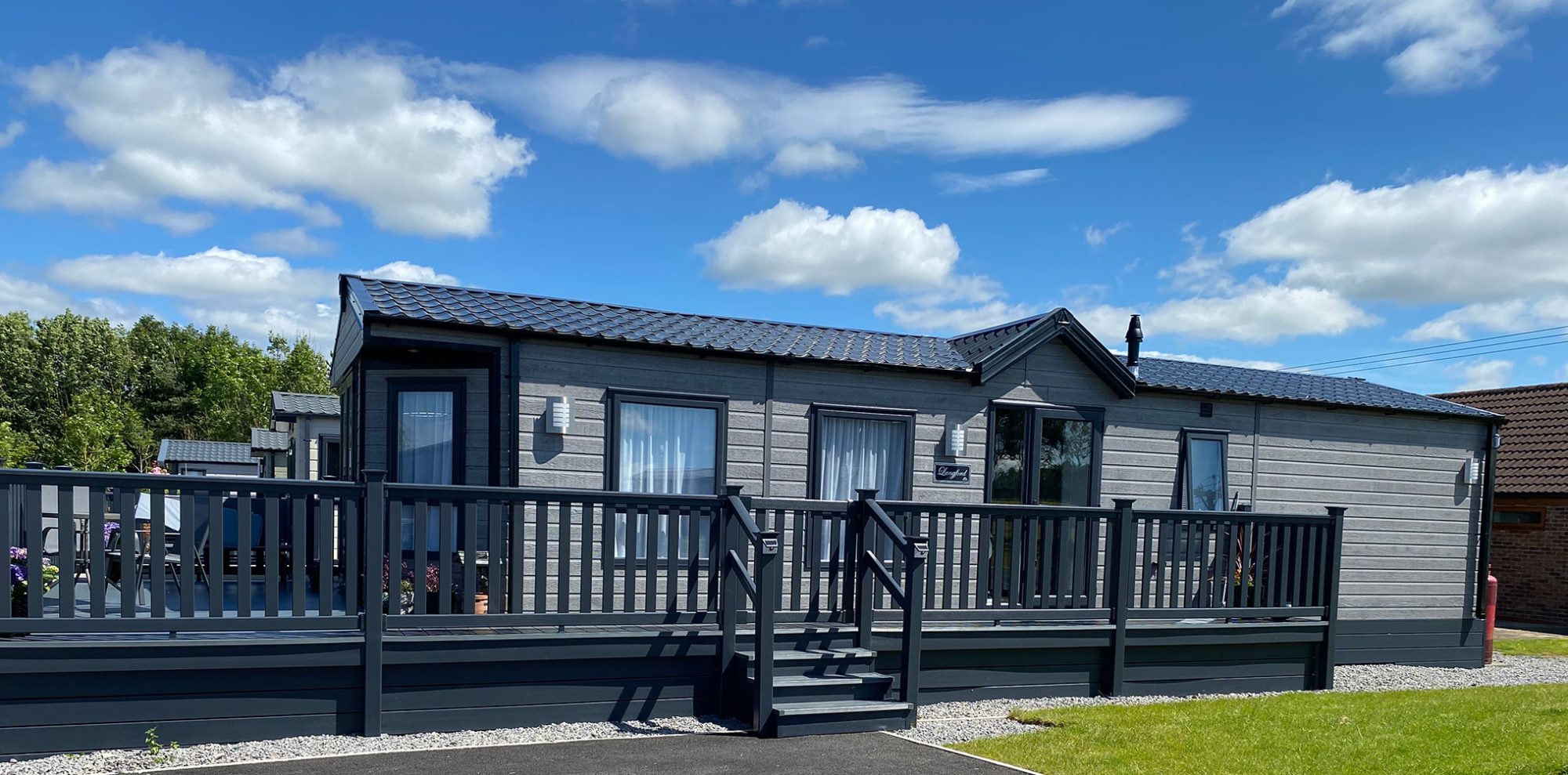

A lodge by the lake, a favourite fishing spot a few steps from the door, and the freedom to take a North Yorkshire break whenever it suits you – holiday home ownership can feel wonderfully straightforward once you have found the right place. The question of how to finance a holiday lodge deserves just as much care as choosing the view, layout and park. A clear plan makes it easier to buy with confidence and enjoy your retreat for the right reasons.
Can You Finance a Holiday Lodge?
Yes, finance may be available for a holiday lodge, but it is usually arranged differently from a standard residential mortgage. A holiday lodge is generally a leisure purchase rather than a permanent home, so lenders will assess the application, the lodge, the site and your personal circumstances in their own way.
Some buyers use savings or the proceeds from selling an existing caravan, holiday home or property. Others choose a specialist holiday home finance agreement, a personal loan, or finance offered through a dealer or broker. The best route depends on the amount you wish to borrow, the deposit you can provide, your income, credit history and how long you want to spread the repayments.
It is sensible to start the conversation before falling in love with a particular lodge. Knowing your likely budget means you can focus on homes that feel comfortable financially as well as personally. It also leaves room to choose the plot, specification and park facilities that matter most to you.
Understand the Full Cost of Ownership
The lodge price is an important figure, but it is not the only one to consider. A well-planned budget includes the ongoing costs of keeping and enjoying your holiday home. These are predictable parts of ownership, and discussing them early avoids surprises later.
Depending on the park and the lodge, your regular and occasional costs may include the annual pitch fee, insurance, utilities, rates where applicable, servicing, maintenance and any finance repayments. If you are travelling from further afield, you may also want to allow for fuel, food and days out. For many owners, these costs are worthwhile because they replace the repeated expense and effort of booking individual UK breaks.
Ask for a clear explanation of what is included in site fees and what is charged separately. It is also helpful to find out when fees are reviewed, how utility use is measured, and whether there are any fees connected with transferring ownership in the future. Good information lets you compare options fairly.
A lodge may have a higher initial price than a caravan, particularly where it offers more space, insulation and a residential-style finish. In return, it can offer a more settled home-from-home feel for longer stays. Whether that represents good value comes down to how often you expect to use it and what you want from your time away.
Decide What Deposit Feels Comfortable
A larger deposit can reduce the amount borrowed and may lower the total interest paid over the agreement. However, putting every available pound into the purchase is not always the right choice. Keeping a sensible cash reserve for home commitments, unexpected repairs and everyday life can provide real peace of mind.
Think about the deposit as part of the whole picture, rather than a race to reach the biggest possible number. Your monthly payment should still feel manageable if household bills rise or your circumstances change. Retired and semi-retired buyers may also prefer a shorter agreement with higher monthly payments, while others may value lower payments over a longer term. Neither approach is automatically better.
Before signing anything, ask to see the total amount repayable, not simply the monthly figure. Check the interest rate, agreement length, deposit requirement, any arrangement fees and whether there are charges for settling early. These details are where two apparently similar offers can become very different.
What Lenders May Look At
Lenders want to see that repayments are affordable and sustainable. They may review your income, regular outgoings, existing borrowing and credit record. If you are retired, pension income and other dependable income can form part of that assessment. If you are self-employed, up-to-date accounts and tax documents may be useful.
They may also consider the age, value and type of holiday home, along with the length and terms of the pitch agreement. Holiday park licences vary, so it is worth understanding the occupancy rules and the period for which the lodge can remain on its plot. A holiday lodge is not normally intended as a main residence, even when the park is open for much of the year.
To make the process smoother, have the essentials ready:
- proof of identity and current address;
- details of income, pensions or self-employed earnings;
- recent bank statements and information about existing credit commitments;
- the lodge quotation, including the pitch and any included extras.
Providing accurate information matters more than rushing an application. If an offer is made, read the paperwork carefully and make sure the terms match what you discussed.
Choose the Park, Not Just the Lodge
The right finance arrangement will only feel worthwhile if the park suits the life you plan to lead there. A striking lodge on a plot that does not work for you can soon lose its appeal. Visit at a time when you can properly take in the setting, access, atmosphere and facilities.
For some buyers, a lake-view plot and private coarse fishing make every visit feel like a proper escape. Others place more value on a welcoming café, easy parking, a peaceful community and good connections for visiting family or exploring the Yorkshire countryside. If golf, walking, market towns or coastal days out are part of your plans, consider how easily they fit into a typical stay.
Practical points matter too. Ask about parking beside the lodge, Wi-Fi, maintenance support, security and the park’s opening arrangements. If you hope to bring children or grandchildren, make sure there is room for the way you will actually use the space. A private viewing is the ideal time to open cupboards, sit on the decking and picture a wet November weekend as well as a sunny July afternoon.
At Parklands Caravan Park, the appeal for many owners is that the quiet countryside setting is paired with everyday comforts: luxury holiday homes, fishing lakes, an on-site café and a friendly base for enjoying the area. That combination can make regular short stays feel easy rather than a project to organise.
Take Your Time With Finance Offers
There is no benefit in agreeing to finance simply because a particular monthly payment appears achievable at first glance. Compare like with like, including the borrowing amount, term, deposit, interest and total repayable. A lower monthly payment may mean borrowing for longer and paying more overall.
Use your own household budget rather than relying solely on a lender’s calculation. Include your normal commitments, planned holidays, car costs and a modest allowance for the unexpected. If you are buying as a couple, talk openly about how the payments and running costs will be shared.
Only deal with properly authorised finance providers, and do not be afraid to ask questions in plain English. If anything is unclear, pause. Independent financial advice may be helpful where you are weighing up several borrowing options or using savings that form part of a wider retirement plan.
Make the Purchase Fit Your Life
A holiday lodge should add freedom to your year, not pressure to your monthly budget. The best finance choice is usually the one that leaves you comfortable enough to enjoy spontaneous weekends, relaxed mornings by the water and time with the people you want to bring along.
Start with an honest budget, understand every ongoing cost and choose a lodge and park you will return to often. When the numbers feel as settled as the setting, you can look forward to turning the key and making the place your own.