
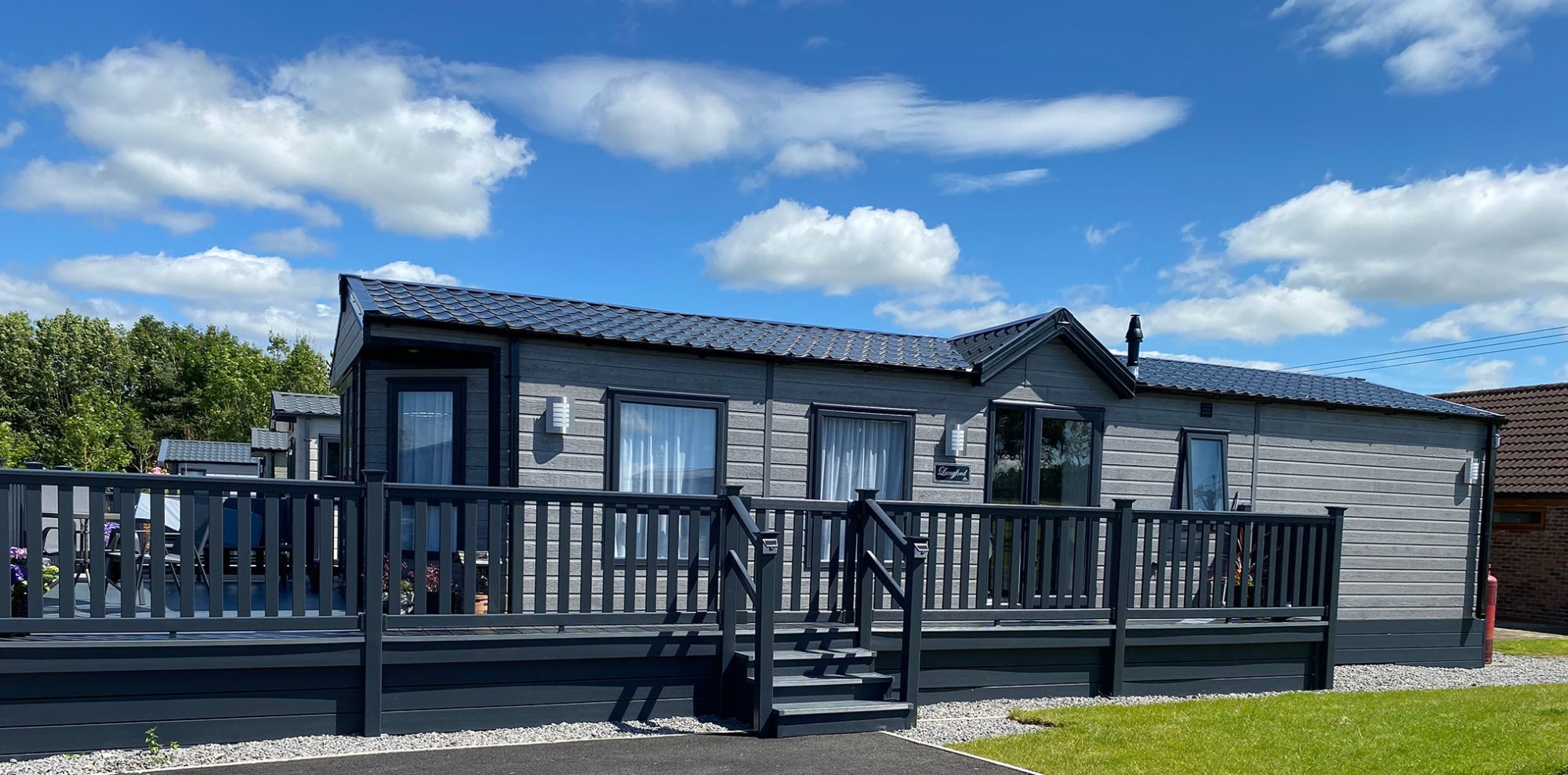

A Friday afternoon can feel very different when the destination is already yours. That is the real choice behind holiday park living vs cottage breaks: do you want the freedom to choose a new cottage each time, or the comfort of returning to a familiar retreat whenever you fancy a change of scene?
For many couples, families and keen anglers, both options offer a welcome escape from everyday routines. The better fit comes down to how often you travel, what you want your downtime to look like, and whether a holiday home feels like an expense or a lifestyle you will genuinely use.
Holiday park living vs cottage breaks: the key difference
A cottage break is a short stay. You choose a property, book the dates, pack the car and enjoy somewhere new for a week or weekend. It is simple, flexible and ideal for people who like trying different villages, coastlines and countryside areas.
Holiday park living is different. In this context, it means owning a holiday home or lodge on a park, giving you a personal base for regular breaks. It is not the same as permanent residential living, and it is always wise to check the park’s licence conditions and ownership agreement. The appeal is not simply having somewhere to sleep. It is having a place that already feels like yours.
You know where the mugs are, which chair catches the morning sun and how long it takes to reach the water’s edge with a fishing rod. Instead of spending the first evening settling in, you can get straight on with relaxing.
Why cottage breaks still have real appeal
There is a lot to enjoy about booking a cottage. If your ideal year includes the Dales in spring, the coast in summer and a city break before Christmas, renting lets you follow your curiosity. There is no ongoing commitment to one location, no maintenance to organise and no need to think about site fees or selling at a later date.
Cottages can also suit occasional holidaymakers. If you only get away once a year, ownership may not offer the value or convenience it can bring to someone who visits regularly. A rented cottage gives you the chance to select the size, style and location around each individual trip, whether that means room for grandchildren one year or a quiet bolthole for two the next.
The trade-off is that the property is never quite your own. Popular dates need booking well ahead, especially school holidays and bank holiday weekends. Prices can rise at the times you most want to go, and the cottage you loved last year may be unavailable, altered or no longer offered for rental.
The comfort of having your own holiday base
Owning a holiday home makes spontaneous breaks much more realistic. A sunny forecast, a free weekend or the wish for a few peaceful days after a busy spell can be enough reason to travel. There is no searching through listings, comparing cleaning fees or hoping the photos match the reality.
That sense of familiarity is especially valuable for mature couples and families who want regular, low-fuss time together. You can leave well-used walking boots in a cupboard, keep favourite games ready for visiting grandchildren and stock the kitchen as you like it. Over time, a holiday home becomes a dependable place to switch off.
A well-run park adds to that ease. Modern facilities, maintained surroundings and people nearby can make a countryside escape feel reassuring rather than isolated. At Parklands Caravan Park, for example, holiday home owners can enjoy a rural setting alongside private coarse fishing lakes, an on-site café and lake-view plots, so a relaxed day does not need a packed itinerary.
Costs: compare the whole picture, not one weekend
A cottage booking is straightforward because the cost is visible upfront. You pay for the stay, possibly add a security deposit, then budget for travel, meals and days out. This can feel easier to manage, particularly for a one-off trip.
With holiday home ownership, the initial purchase is only one part of the decision. Buyers should understand annual site fees, utilities, insurance, maintenance, park rules and the expected lifespan and resale considerations of the holiday home. A reputable park should be open about these practical points, because clear information makes for confident ownership.
The value often changes with frequency of use. If you book several cottages each year, particularly during high-demand periods, the total can soon become significant. Ownership will not be right for every budget, but regular visitors may find that having a place ready to use makes more sense than repeatedly paying premium holiday prices.
It also changes what you spend money on. Rather than treating every trip as a separate purchase, you are investing in a retreat you can enjoy again and again. The important question is not, “Could I book a cottage more cheaply this month?” It is, “Will we use and enjoy our own holiday home enough over the coming years?”
Amenities can shape the whole break
A beautiful cottage is often the destination in itself, but its facilities vary from property to property. One may have a log burner and enclosed garden; another may be near a pub but a drive from the nearest walk. You need to research each stay from scratch.
On a holiday park, shared amenities create a more consistent experience. For fishing enthusiasts, having lakes close by can turn a short break into proper leisure time rather than a series of car journeys and arrangements. For others, a café on site means an easy breakfast, a relaxed catch-up or a welcome stop after a walk.
This does not mean every owner wants organised entertainment or a busy resort atmosphere. In fact, many people choose a smaller countryside park precisely because they prefer peaceful surroundings, a friendly feel and quality facilities that are there when wanted. Nearby attractions, transport links and recreational options such as golf give you choice without taking away the calm of the park.
Flexibility means different things to different people
Cottage breaks win on geographical variety. If discovering somewhere unfamiliar is your favourite part of a holiday, keep that freedom. You might not want every break to begin on the same road or end at the same local pub.
Yet a holiday home offers another kind of flexibility: the freedom to go more often, stay for longer or make a last-minute plan without relying on availability. For semi-retired owners, this can be particularly appealing. A midweek visit outside the busiest periods can bring peaceful walks, unhurried lunches and time by the lake when the countryside is at its quietest.
Families may find the balance changes over time. Young children often love returning to a place they know, while older children and grandchildren appreciate a comfortable base for a weekend together. A lodge or spacious holiday home can become the place where birthdays, fishing mornings and Sunday breakfasts naturally happen.
What to ask before choosing holiday park ownership
The best decision is an informed one. Before buying, visit the park more than once if possible and picture an ordinary weekend there, not just a sunny viewing day. Ask about the length of the season, how ownership works, annual running costs, facilities, parking, pet policies and the terms for selling or upgrading in future.
Pay attention to the feel of the place as much as the specification of the holiday home. Are the grounds cared for? Are staff helpful and straightforward? Can you imagine spending a wet November afternoon there as happily as a bright August day? The right park should offer both the practical standards and the relaxed atmosphere that make regular visits a pleasure.
Cottage breaks remain a wonderful choice for people who love fresh horizons. But if your happiest holidays involve returning to the countryside, putting the kettle on without unpacking half the car and knowing a peaceful view is waiting for you, a holiday home may be more than a place to stay. It may be the reason you make more time for the life you want to enjoy.