
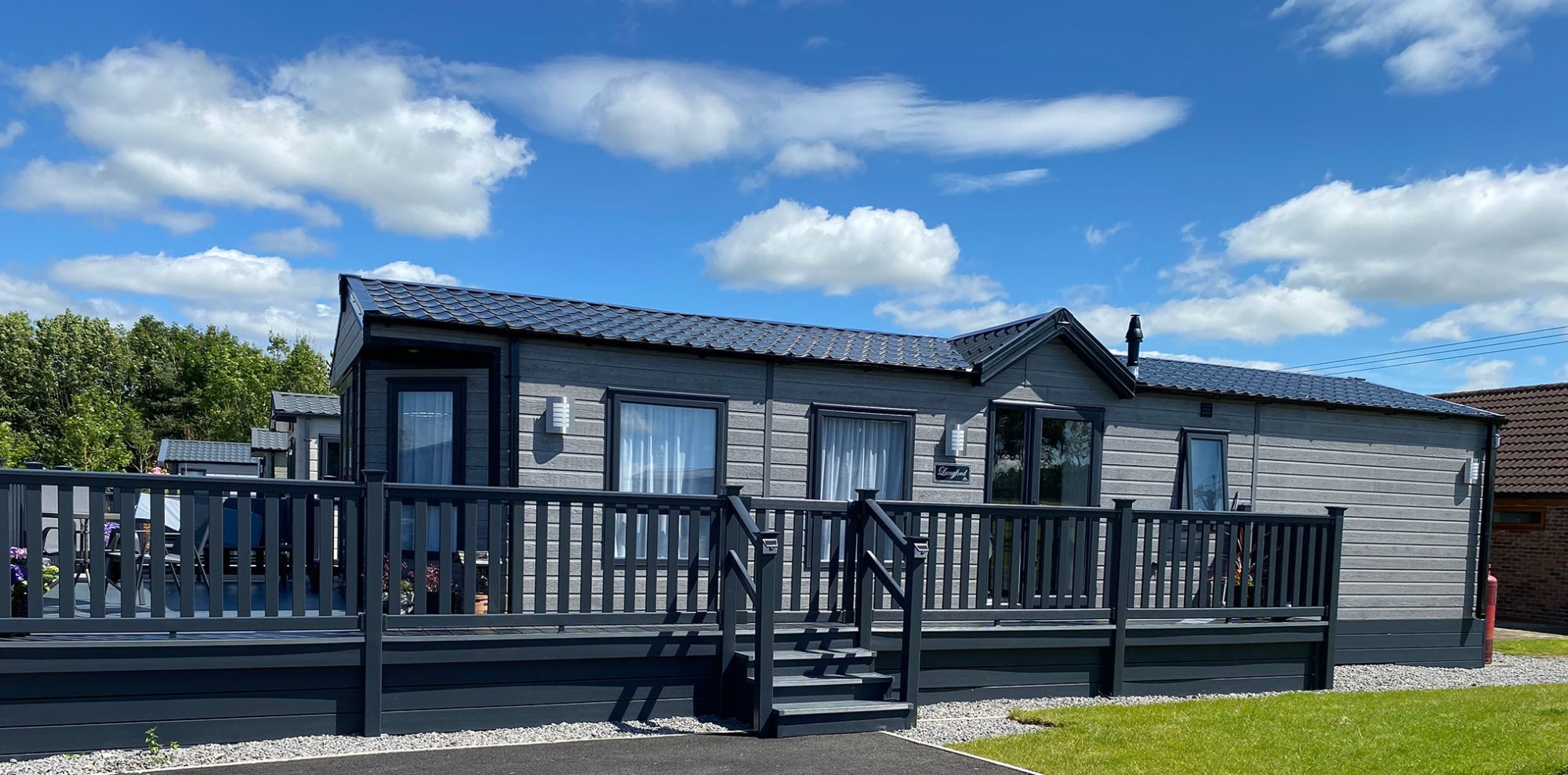
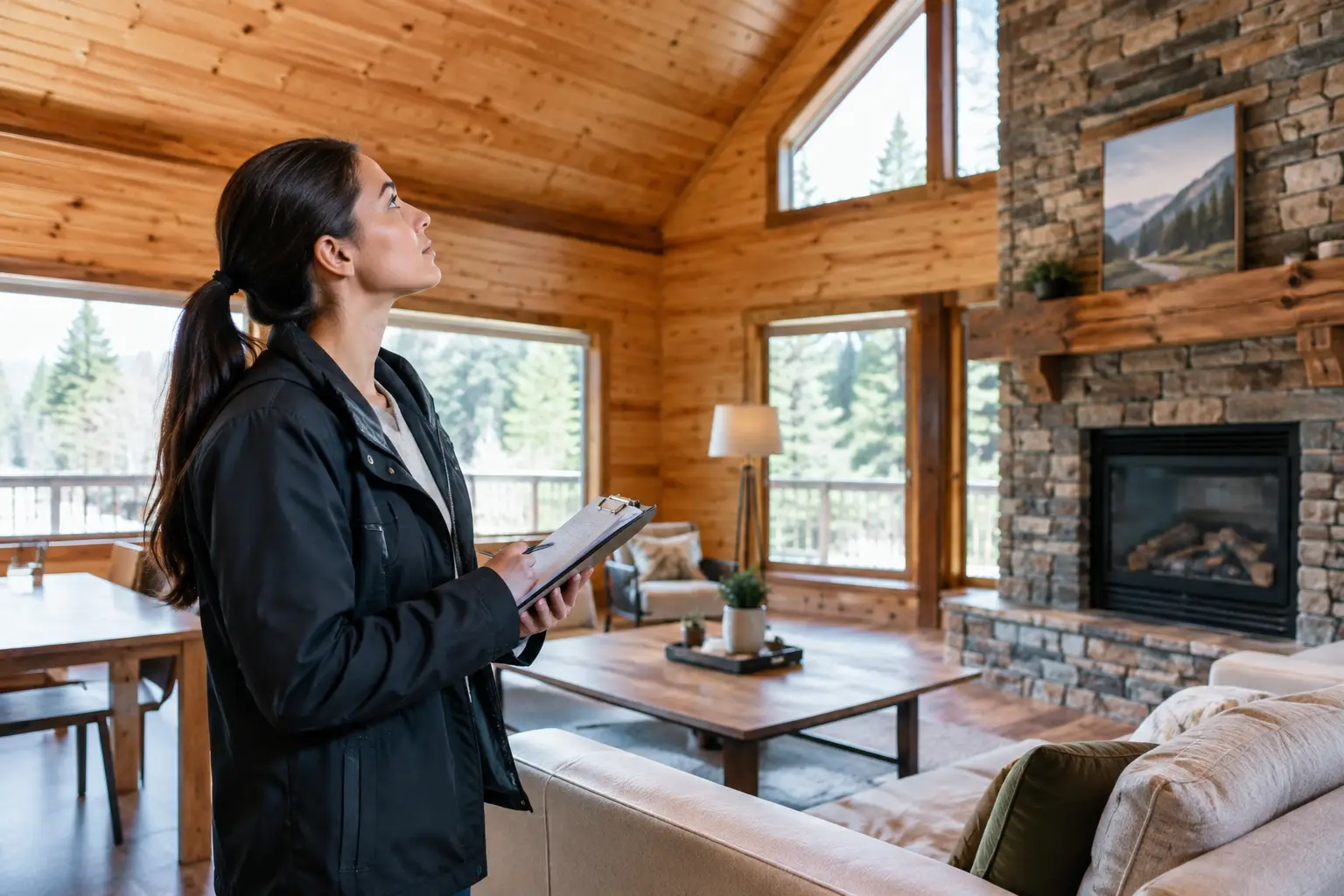
A lodge can look beautifully finished during a viewing, with cushions in place, lamps glowing and every surface perfectly clear. But real lodge interior quality is what you notice after a long weekend, a wet walk, a family visit or a quiet winter morning with the heating on. It is the difference between a lodge that simply photographs well and one that genuinely feels like your own comfortable countryside retreat.
For holiday home buyers, the interior deserves just as much attention as the view, plot and park facilities. A well-chosen lodge should make regular breaks easier, more restful and more enjoyable from the moment you arrive.
Lodge interior quality starts beneath the surface
The most valuable features are not always the most obvious. Attractive cabinetry, feature walls and stylish furniture all add appeal, but the construction and specification behind them will have the greater effect on everyday comfort.
Start with warmth. Ask how the lodge is insulated, what heating system it uses and whether it is designed for regular use across the seasons. Quality double glazing, effective insulation and sensible heating controls help the space stay comfortable when North Yorkshire weather is less than predictable. They can also make the lodge feel calmer, with less draught and outside noise.
Pay attention to how solid everything feels. Open cupboard doors and drawers. Walk through each room rather than standing at the entrance. Flooring should feel secure underfoot, internal doors should close cleanly, and fitted furniture should sit neatly against the walls. Minor movement is not unusual in a holiday lodge, but loose handles, thin fittings or poor alignment can be signs that the finish is more cosmetic than lasting.
It is worth asking what is included in the price. Some lodges are sold fully furnished, while others may include selected appliances or furnishings. Knowing exactly what is part of the specification makes it much easier to compare two models fairly and plan for your first stay.
Look at the layout as you would at home
A spacious-looking lounge is appealing, but layout matters more than sheer square footage. The best lodge interiors give each area a clear purpose without making the whole space feel divided or cramped.
Think about how you will actually spend time there. If you enjoy slow breakfasts, check whether the dining area comfortably seats the number of people you expect to host. If you plan to bring grandchildren, consider whether there is enough open floor space for bags, games and wet coats without turning the lounge into an obstacle course. For couples, a quieter bedroom at the opposite end of the lodge can make weekends away feel properly relaxing, even when friends or family are staying over.
Open-plan living remains popular for good reason. It brings light into the main living area and lets the cook remain part of the conversation. The trade-off is that kitchen noise, television sound and mealtime clutter are all more visible. A good design manages this with well-positioned seating, practical worktop space and enough storage to put everyday items away.
Windows should do more than frame a lovely view. Notice where daylight falls at different points in the lodge, whether the lounge feels private, and how easy it is to access any decking or outdoor seating. A lake-view plot or countryside setting is best enjoyed when the interior naturally leads you towards it.
Storage is a sign of thoughtful design
Storage is one of the quickest ways to separate a pleasant show home from a practical holiday home. You do not need endless cupboards, but you do need useful ones.
Look for wardrobe space that can take coats as well as weekend clothes, kitchen cupboards deep enough for proper food supplies, and room for cleaning essentials, towels and bedding. An entrance area with hooks or a small cupboard is especially welcome after a day fishing, walking or exploring nearby market towns.
Under-bed storage, shelving and built-in furniture can all be useful, provided they do not make bedrooms feel closed in. The right balance depends on how often you plan to use your lodge and how many people will share it.
Kitchen and bathroom finishes deserve a closer look
Kitchens and bathrooms are where quality is often tested most quickly. These are hardworking spaces, particularly in a lodge used for frequent weekends and longer stays.
In the kitchen, check that there is enough preparation space beside the hob and sink. Consider the size of the fridge-freezer, whether appliances are integrated neatly, and how easily cupboards open when more than one person is cooking. A compact kitchen can work very well, but it should not feel like a compromise every time you make a meal.
Worktops need to be practical as well as smart. A hard-wearing surface, easy-clean splashback and sturdy taps will generally serve you better than a fashionable finish that marks easily. If cooking is part of your holiday routine, a sensible kitchen specification will bring more value than an oversized decorative feature.
In bathrooms, look beyond the tiles. Check the shower enclosure, ventilation, towel rails and the amount of usable storage around the basin. A shower with decent water pressure and a properly fitted screen can make a big difference to the start of the day. An en-suite bedroom adds welcome privacy for couples and guests, although a larger family may place more value on a roomy main bathroom instead.
Comfort is made up of the smaller details
The best lodge interiors feel easy to live in because a lot of small decisions have been made well. Lighting is a good example. Ceiling lights provide practical brightness, while lamps and wall lights create a warmer atmosphere for an evening in. Bedrooms benefit from reading lights and conveniently placed sockets. In the lounge, consider whether there are enough plug points for everyday items without trailing leads across the floor.
Furniture should suit the scale of the room. A generous sofa is tempting, but not if it blocks access to patio doors or leaves no space for a coffee table. Sit down, look out of the windows and imagine an ordinary evening there. Does the room feel comfortable rather than staged?
Colours and materials are personal, but neutral, well-finished interiors often provide a flexible base for making the lodge your own. You can add character through throws, artwork, cushions and favourite pieces without needing to replace expensive fitted elements. This is particularly helpful if you expect the lodge to be a long-term retreat rather than a short-term purchase.
Questions to ask when viewing a lodge
A viewing should give you confidence, not leave you guessing. Take your time and ask straightforward questions about the lodge’s specification, age, included items and running considerations. If possible, view more than one model so you can compare what different layouts and finishes offer at a similar price point.
Keep these practical points in mind:
- Is the lodge designed and specified for the level of year-round use you have in mind?
- What heating, glazing and insulation features are included?
- Which furnishings, appliances and external features form part of the sale?
- Is there enough storage for how you plan to use the lodge?
- Can you comfortably picture your usual weekends in the layout?
There is no single perfect specification. A couple seeking peaceful escapes may prefer a large master suite, a calm lounge and a low-maintenance kitchen. A family may prioritise twin bedrooms, a second bathroom and durable flooring. For keen anglers, somewhere to dry outdoor clothing and store equipment may matter more than a formal dining space.
At Parklands Caravan Park, a private viewing is a chance to see how a lodge interior works alongside the wider lifestyle: peaceful surroundings, on-site fishing, a café close by and the freedom to return to a familiar base whenever a break is needed.
A quality lodge should not ask you to overlook practical compromises just because the styling is attractive. Choose the one that feels warm, well made and naturally suited to the way you want to spend your holidays. When the doors close behind you on a Friday afternoon, it should feel less like arriving at accommodation and more like coming back to your own place in the countryside.