
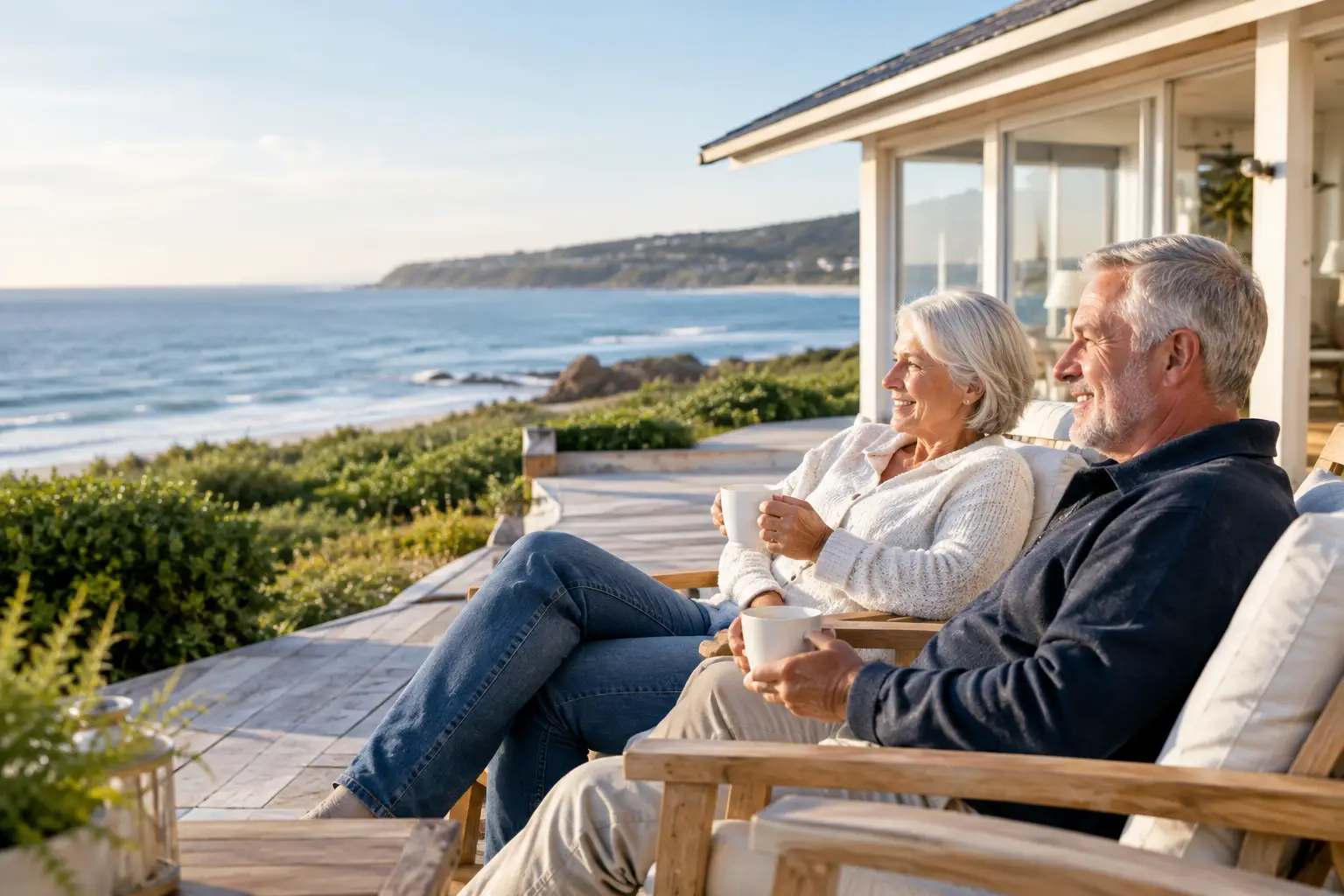
Picture a Thursday morning with no rush to pack the car home by Sunday evening. You make a cup of tea, look out across the water, decide whether to take a walk or set up by the lake, and stay for as long as you like. That is the appeal behind a retirement holiday home example: not simply a place to visit, but a comfortable base that makes more frequent, unhurried breaks possible.
For many people approaching retirement or already enjoying it, ownership is less about ticking off another purchase and more about shaping their time. A well-chosen holiday home can offer familiarity, freedom and the pleasure of having your own things exactly where you want them. The best examples also keep day-to-day practicality firmly in view.
What a retirement holiday home example can look like
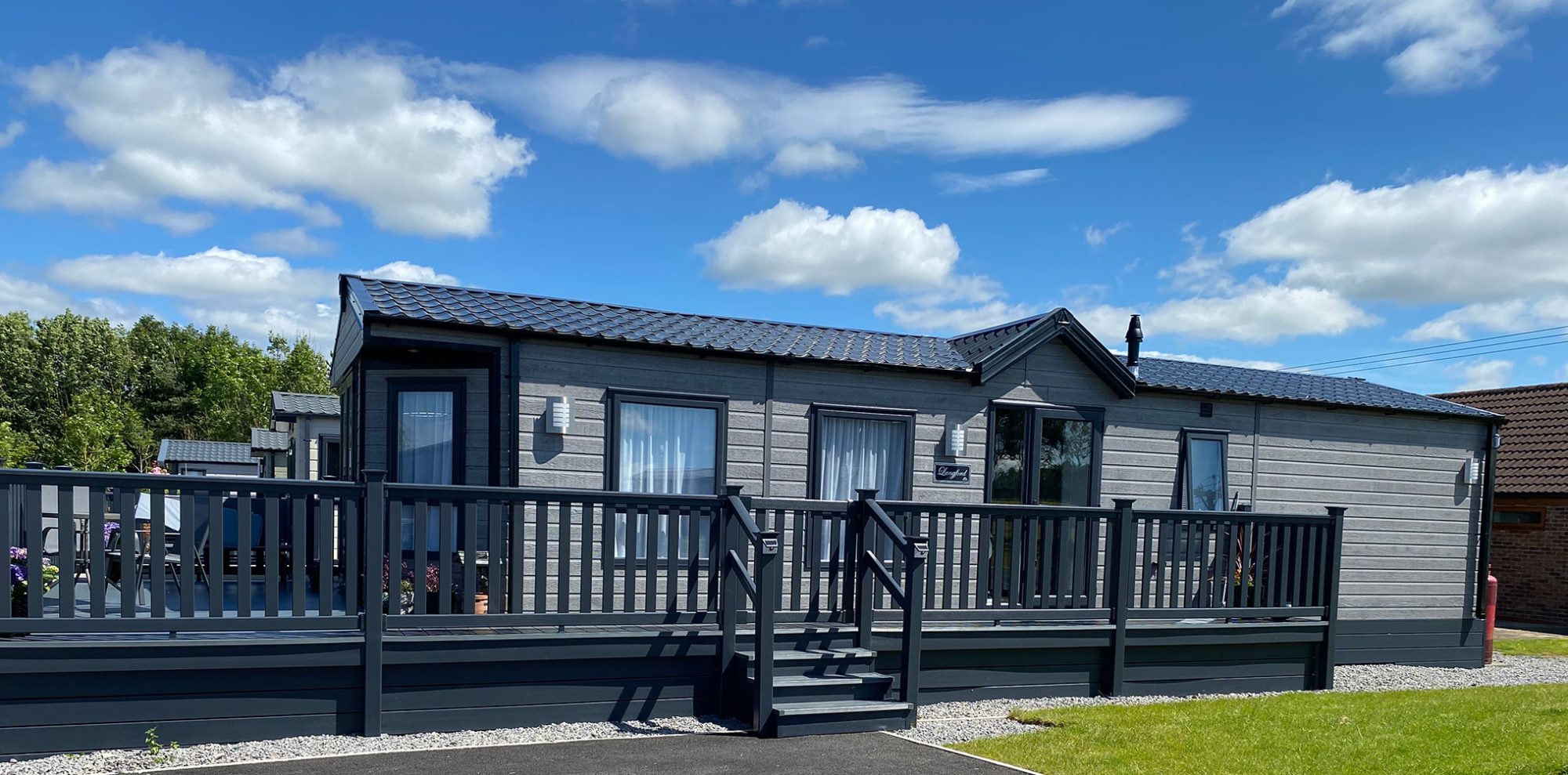
Imagine a retired couple living within a manageable drive of North Yorkshire. They enjoy the countryside but do not want the upkeep, cost or commitment of a second bricks-and-mortar house. They choose a modern lodge or luxury caravan on a holiday park with a long season, peaceful surroundings and facilities they will genuinely use.
Their holiday home has a bright, open-plan living space, central heating, proper insulation and comfortable bedrooms for visiting children or grandchildren. There is room for a relaxed breakfast, a rainy-afternoon film and a few personal touches that make it feel like theirs rather than a rental. Outside, a decked area gives them a place to sit with a coffee and enjoy the view.
They visit for long weekends outside school holidays, stay for a week when the weather is kind, and make use of the quieter months too. One partner enjoys coarse fishing; the other likes local cafés, garden centres and gentle walks. They can invite friends for lunch without having to find accommodation, and they know the route, the local shops and the people around the park.
That is a realistic retirement holiday home example because it combines the emotional benefit of getting away with the practical comfort needed to use the property regularly. It is not about constant activity. It is about having somewhere easy to arrive at and difficult to rush away from.
Why ownership can suit retirement
Retirement changes the value of time. A two-night break may once have been all a working week allowed, whereas a holiday home makes it easier to extend a stay when there is no diary to work around. You can avoid busy travel periods, take advantage of a sunny forecast and enjoy the area in every season.
There is also comfort in familiarity. Instead of repeatedly booking unfamiliar accommodation, carrying everything with you and hoping it meets expectations, you return to a place arranged around your preferences. Your favourite chair, kitchen essentials, walking boots and fishing gear can all be ready and waiting.
For couples, it can be a shared project with none of the pressure of a full house move. For families, it can become a dependable meeting place. The balance will be different for everyone. Some owners want a quiet adults-first escape, while others want a base where grandchildren can make happy memories. A good park and the right holiday home should support the version of ownership that suits your life.
Choose comfort that works beyond summer
A holiday home for retirement should feel inviting in April drizzle as well as July sunshine. When viewing models, look beyond the show-home styling and consider how you would actually live there for several days at a time.
Start with warmth. Central heating, double glazing and suitable insulation make a significant difference if you hope to use your holiday home throughout a longer season. Look at the living room seating, the dining area and the kitchen worktop space. Is there somewhere comfortable to read? Could two people prepare a meal without getting under each other’s feet? Would you be happy there during a wet afternoon?
Bedroom layout matters just as much. Twin rooms may be useful for guests, but some buyers would prefer one room for storage, hobbies or occasional overnight visitors. Check wardrobe space and whether the main bedroom feels easy to move around in. An en-suite can be a welcome convenience, particularly for longer stays.
Accessibility deserves an honest conversation too. Steps, parking position, shower access and the distance to park facilities might be easy now, but it is sensible to think ahead. You do not need to plan for every possibility. You do need a holiday home that feels straightforward and comfortable to use.
The setting is part of the purchase
The caravan or lodge is only half the picture. A beautiful model on an unsuitable plot will not deliver the lifestyle you imagined, while a well-placed home in a friendly setting can add enormous enjoyment.
Think about what you want to see when you draw the curtains. Some buyers love the openness of a lake-view plot; others prefer a quieter corner with more privacy. Visit at different times if possible. Notice the natural light, parking arrangement, walking routes and the general atmosphere of the park.
On-site amenities should be more than a sales brochure checklist. If fishing is one of the reasons you are buying, private coarse fishing lakes and nearby tackle provision can turn a short break into a genuinely relaxing routine. A café is equally valuable when you want a sociable breakfast, an easy lunch or simply a reason to get out for an hour. Nearby leisure, such as a golf course, can add variety without requiring a long journey.
At Parklands Caravan Park, this kind of countryside setting is paired with lake views, fishing and the comfort of having useful facilities close by. For buyers who want relaxed days rather than a busy resort schedule, that combination can make regular visits feel wonderfully uncomplicated.
Ask the practical questions before you commit
Holiday home ownership is a lifestyle purchase, but it is still a substantial decision. Clear answers now help you enjoy it with confidence later. Ask for a full breakdown of the purchase price, annual pitch fees, utilities, insurance and any expected maintenance costs. Find out what is included with the particular model and plot, rather than assuming every display feature comes as standard.
You should also understand the park’s season and the terms of the licence agreement. A holiday home is intended for holidays and leisure use, not as a permanent residential address. Ask how long the park is open, what identification or address arrangements apply, and whether there are rules about subletting, pets, visitors or the age of holiday homes on site.
It is worth asking about after-sales support as well. Who can help if you have a query about your holiday home? What happens with winter checks, gas safety, repairs or drainage issues? Friendly, straightforward answers are a good sign that the park values long-term owners rather than simply making a sale.
Finally, consider your likely pattern of use. If you expect to visit only once or twice a year, ownership may not be the right fit. If you can picture frequent long weekends, spontaneous midweek stays and family time in a place you know and love, the value is much easier to see.
Make the first viewing feel real
When you view a holiday home, do not just admire the cushions and imagine a perfect summer day. Sit down. Open the cupboards. Stand in the shower. Look through the windows from the sofa. Ask where you would put your coats, food shopping, fishing gear and outdoor furniture.
Try to picture an ordinary stay as clearly as a special occasion. Could you make breakfast comfortably? Is the walk to the lake or café pleasant? Would you enjoy the plot when the park is quieter? The right choice tends to feel less like a holiday brochure and more like a natural extension of your own routine, only with better views and more time to enjoy them.
A retirement holiday home can give you a reason to make the most of the freedom you have worked for. Take your time, ask the practical questions, and choose somewhere that makes every arrival feel like the start of a proper break.