
There comes a point when booking the same last-minute break starts to feel like hard work. You want somewhere familiar, comfortable and easy to return to – a place that feels like yours without the upkeep of a full second home. That is exactly why retirement holiday homes for sale UK buyers are considering have become such an appealing option for couples who want more freedom, more comfort and more time spent doing what they actually enjoy.
For many retirees and semi-retired buyers, a holiday home is not about making a dramatic lifestyle change. It is about making life simpler. Instead of packing for every trip, checking hotel availability or relying on busy airports, you have your own base ready and waiting. Whether that means quiet weekends in the countryside, longer stays through the seasons or regular fishing breaks, the right park can turn spare time into something far more relaxing.
Why retirement holiday homes for sale UK buyers choose feel different
The biggest difference is ease. A holiday home gives you the pleasure of getting away without starting from scratch every time. You know where everything is, you can leave your essentials in place, and your break begins the moment you arrive.
That matters even more in retirement, when comfort tends to outrank novelty. Many buyers are not looking for loud entertainment or a packed resort atmosphere. They want peace, attractive surroundings and facilities that genuinely add to daily life. A good park offers that balance – scenic views, a well-kept setting, practical amenities and a sense of community without feeling crowded.
There is also the question of flexibility. Owning a holiday home means you can pop away for two nights if the weather looks promising, stay longer when you feel like it, or make your visits part of a regular routine. For some people, that becomes the best part of ownership. It is not just the annual holiday that improves, but the ordinary weeks in between.
What to look for in retirement holiday homes for sale UK parks
Not all parks suit the same buyer, and this is where it pays to slow down. The home itself matters, but the setting, facilities and park style often shape your experience just as much.
A peaceful location usually sits high on the list. That does not mean remote for the sake of it. Most buyers want countryside surroundings, but they also want straightforward travel routes, nearby towns and useful services within easy reach. There is a clear difference between feeling tucked away and feeling cut off.
Park atmosphere matters too. Some parks are geared towards busy family breaks, while others are better suited to couples and owners who value a quieter pace. If you are thinking about retirement ownership, pay attention to how the park feels on an ordinary weekday, not just during a polished sales visit. Are the grounds well cared for? Does it feel welcoming? Can you picture yourself returning often?
Facilities should support the lifestyle you want, not simply look impressive on paper. An on-site café, fishing lakes, walking opportunities and attractive outdoor space can bring far more day-to-day value than louder entertainment options you may rarely use. If your ideal break involves fresh air, slower mornings and a comfortable base to return to, simplicity done well often wins.
The holiday home itself matters – but so does the plot
Buyers often focus first on interiors, which is understandable. A spacious lounge, well-fitted kitchen, good insulation and quality furnishings all make a real difference. If you plan to stay regularly, think beyond the showroom finish and ask how the home will feel after repeated visits across different seasons.
Good storage, practical layout and easy access become more important over time than fashionable extras. A home should feel restful and straightforward to live in. If you are hoping for a genuine home-from-home, details such as comfortable seating, a proper dining area and a bedroom that does not feel cramped are worth paying attention to.
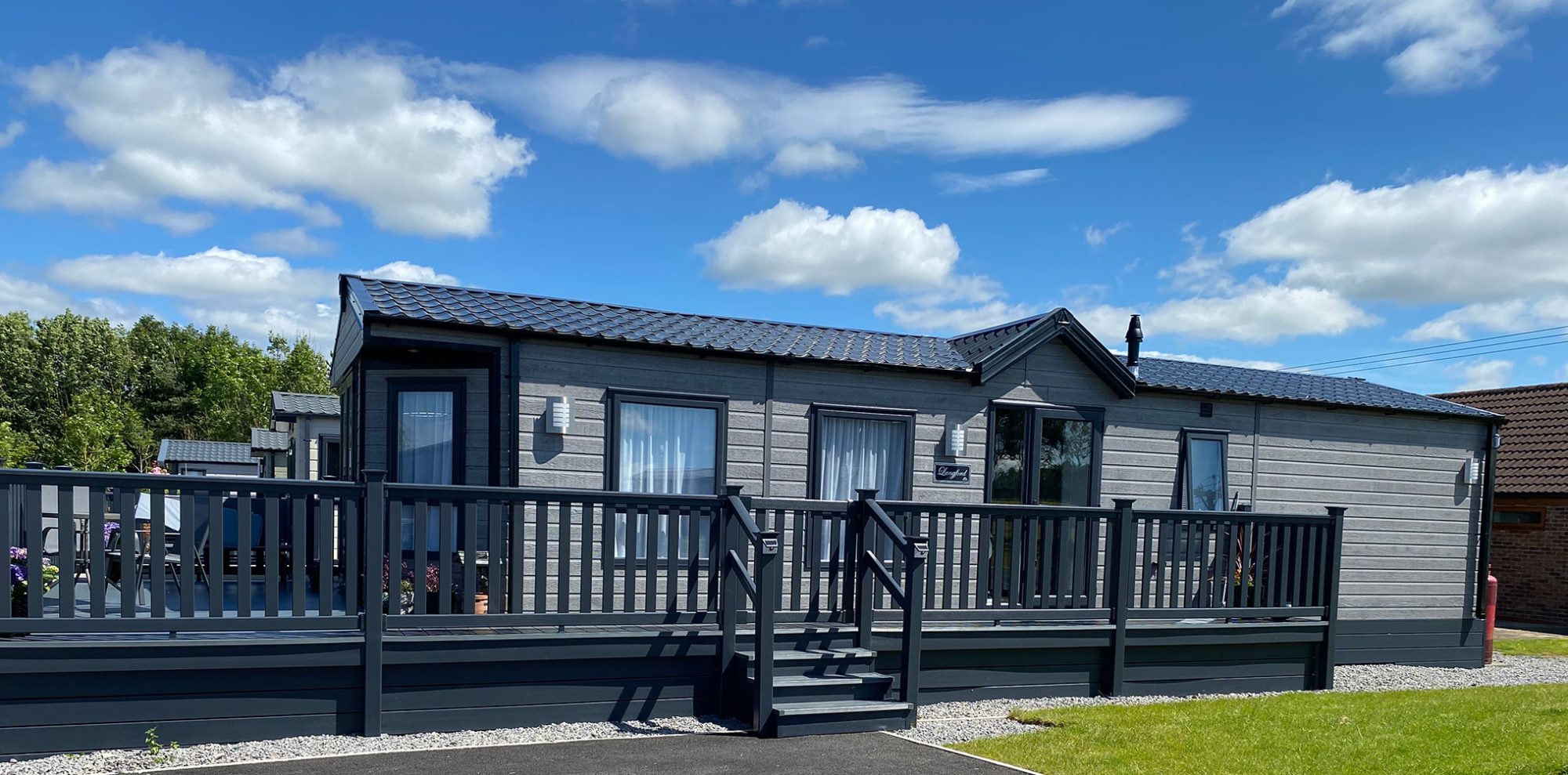
The plot is just as important. A lovely lodge or caravan in the wrong position can lose much of its appeal. Open views, privacy, parking, outdoor space and a sense of calm all influence how much you enjoy ownership. Lake views or countryside outlooks can transform the experience, particularly if you are buying for peaceful weekends rather than constant local sightseeing.
Costs, value and the questions worth asking
One reason buyers hesitate is uncertainty around cost. That is sensible. A holiday home is a lifestyle purchase, and it should feel enjoyable rather than financially stressful.
The purchase price is only one part of the picture. You will also want clear information on site fees, utilities, maintenance expectations, licence terms and any seasonal or usage conditions. There is nothing wrong with asking direct questions. In fact, a good park should welcome them.
Value is not only about finding the cheapest option. Often, the better question is what you are getting for the money. A well-located holiday home on a clean, attractive park with strong amenities and year-round access may offer far more long-term enjoyment than a lower-cost option that feels less comfortable or less convenient. It depends on how you plan to use it.
Some buyers want a base for frequent short stays. Others want to spend long stretches away, especially outside peak holiday periods. Your pattern of use should guide your decision. There is no point paying for features you do not need, but equally, cutting corners on comfort or location can quickly become frustrating.
Why the lifestyle side often makes the decision easier
When people start looking at holiday homes, they often compare models, prices and park rules. Those things matter, but the final decision usually comes down to lifestyle. Can you see yourself enjoying this place again and again?
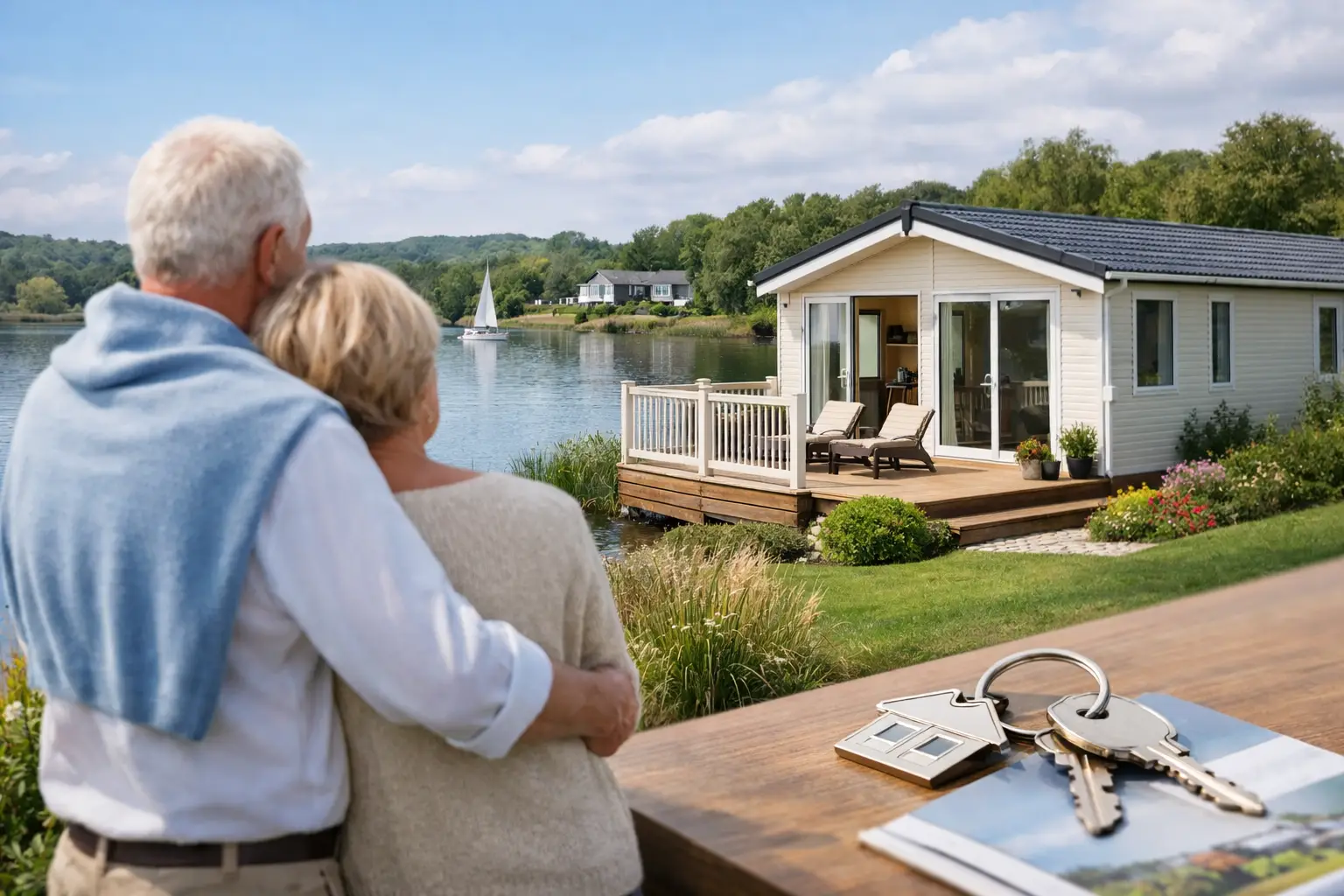
For many retirement buyers, the ideal setup is one that combines comfort with simple pleasures. That might be morning coffee overlooking the water, an afternoon spent fishing, a walk nearby without needing to drive far, or an easy meal on site when you do not feel like cooking. These are the details that turn ownership from a practical purchase into something that genuinely improves your week.
That is one reason parks with integrated leisure facilities tend to stand out. If your surroundings give you more to enjoy without adding hassle, you are much more likely to use your holiday home often. A peaceful park in North Yorkshire with private fishing lakes, quality plots and an on-site café, such as Parklands Caravan Park, speaks directly to buyers who want that easier rhythm.
How to tell if a park is right for retirement living
A viewing should answer more than basic sales questions. It should help you imagine normal life there. Try to picture a rainy afternoon, a quiet Tuesday morning or a longer stay in autumn. If the park still feels appealing, that is a very good sign.
Notice how staff speak to you. Are they approachable and clear? Do they answer practical questions properly? Buying a holiday home is a bigger commitment than booking a break, so trust matters. A friendly, straightforward park team can make the whole process feel more reassuring.
It also helps to ask about the owner community. You do not need a packed social calendar, but many buyers like the idea of being somewhere familiar, where they recognise faces and feel comfortable. A good park tends to offer that naturally – not forced, not intrusive, simply welcoming.
If you enjoy hobbies such as angling, walking or exploring market towns and countryside, think about how well the location supports those habits. The best choice is rarely the one with the most features. It is the one that fits the way you actually want to spend your time.
Common mistakes buyers can avoid
One common mistake is choosing with the eyes only. A beautifully styled interior can impress at first glance, but if the plot feels exposed or the park atmosphere is not right, the excitement may fade quickly. Look at the complete picture.
Another is assuming every holiday park offers the same experience. They do not. Some are lively and family-led, some feel more private and relaxed, and some place real emphasis on quality surroundings. That difference matters a great deal when you are buying for retirement use.
It is also worth avoiding rushed decisions. The right holiday home should feel exciting, yes, but also comfortable and sensible. If you need time to think through costs, usage and practical details, take it. Ownership should feel like a pleasure from the beginning.
A retirement holiday home can be one of the most enjoyable purchases you make – not because it changes everything, but because it makes getting away easier, calmer and far more personal. If you choose a park that offers comfort, quality and a setting you will never tire of returning to, those ordinary spare days can start to feel like the best part of the year.