
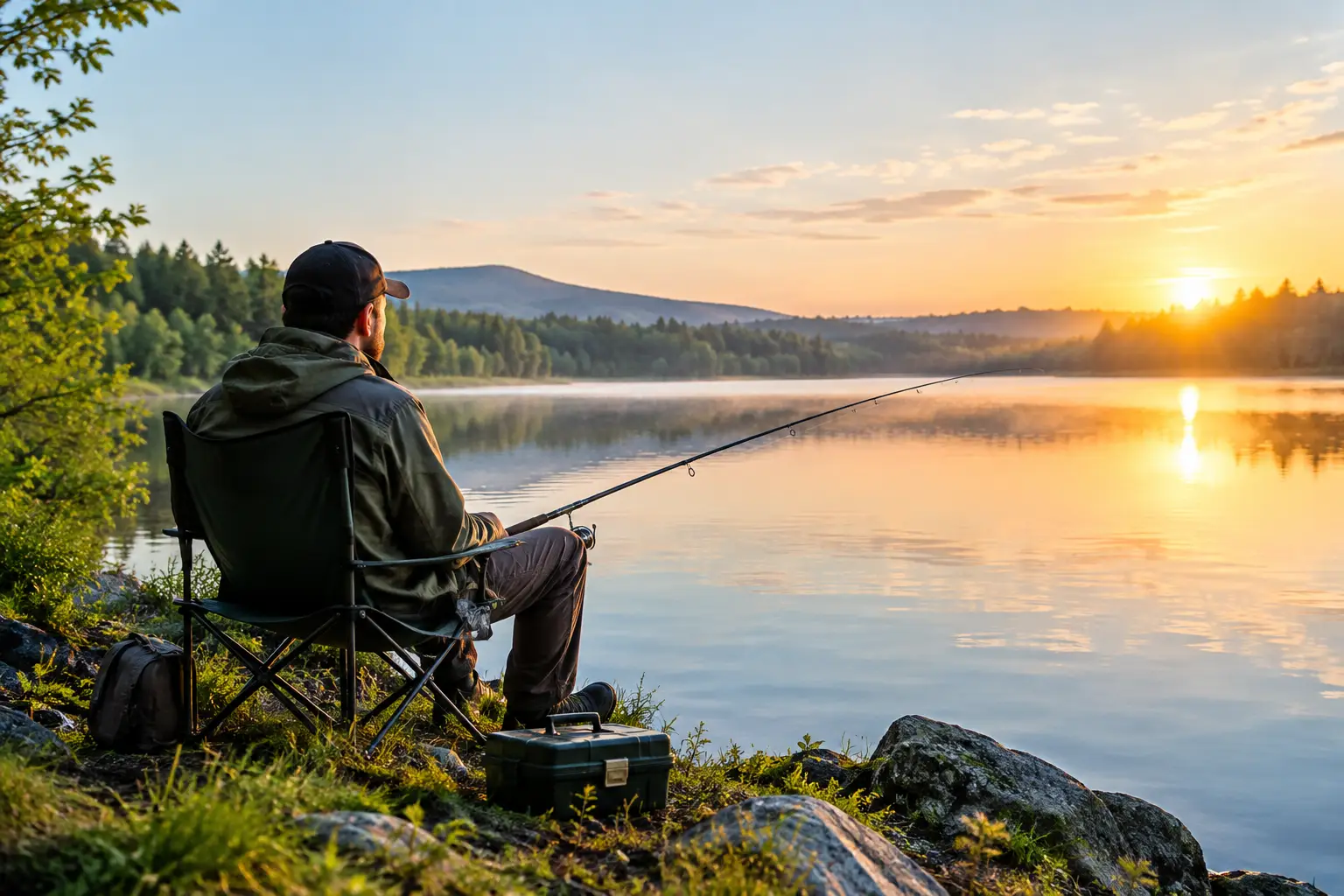
A quiet morning beside a lake can be one of the best parts of a countryside break, but when do fishing lakes open? The honest answer is that it depends on the fishery. Many private coarse fishing lakes welcome anglers all year, while others have set opening dates, winter closures or reduced hours. Before loading the rods into the car, it pays to check the rules for the individual water.
For holidaymakers and touring guests, that small check makes planning much easier. It means you can choose the right time for a relaxed session, pack suitable tackle and avoid arriving to find that the lake is closed for maintenance, a match or poor weather.
When Do Fishing Lakes Open in the UK?
There is no single opening day for every fishing lake in the UK. Unlike rivers, which have a recognised close season for coarse fishing, most stillwater fisheries set their own arrangements. Commercial coarse fisheries, estate lakes and private holiday-park lakes often remain open throughout the year, subject to their own rules and conditions.
That is why the best answer is usually: check with the venue directly. A lake may be open year-round but have different opening hours in winter, require pre-booking during busy periods, or close temporarily for fish stocking, bank repairs or organised events.
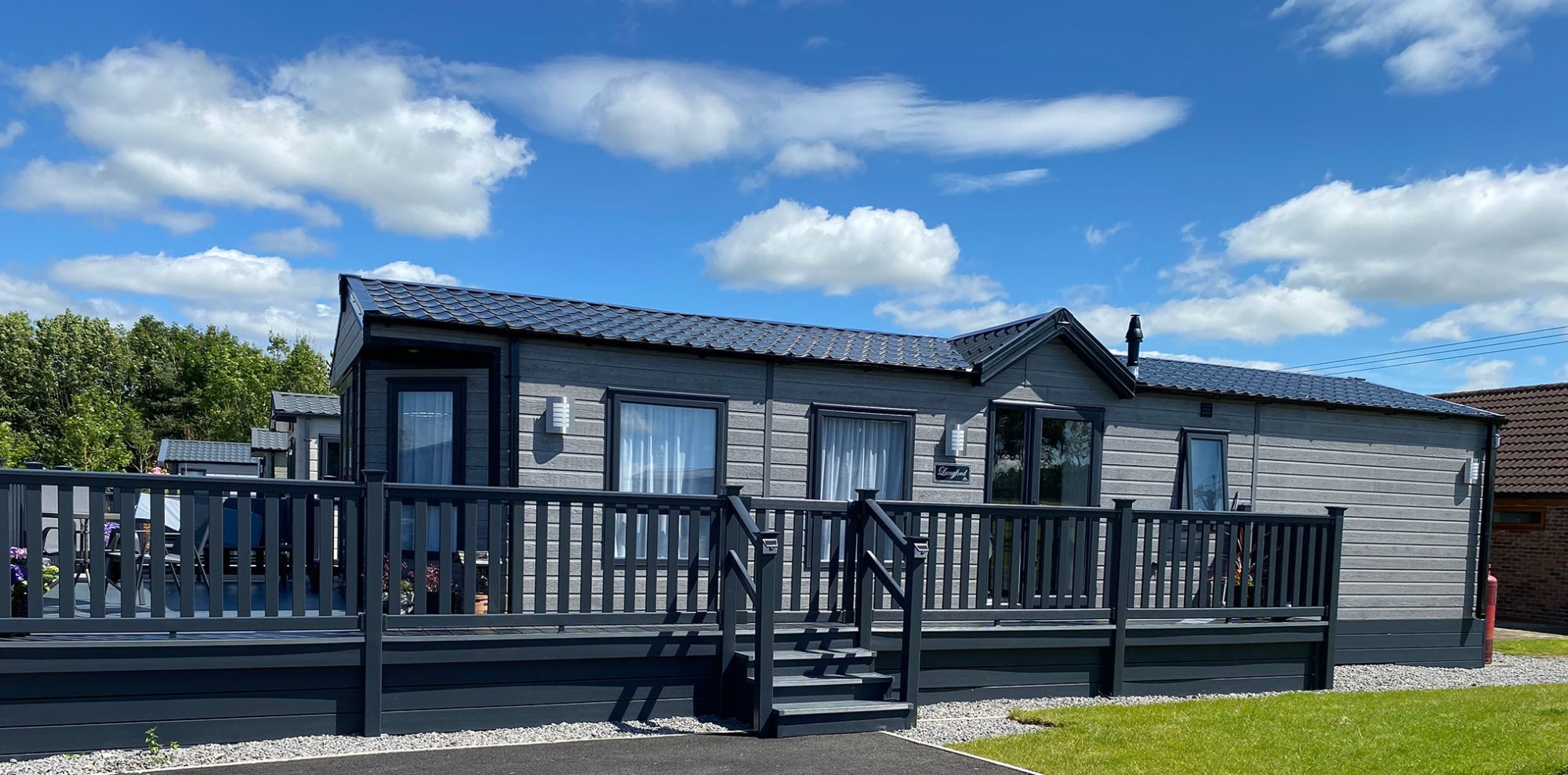
At Parklands Caravan Park, the appeal of having private coarse fishing lakes close to your pitch or holiday home is the freedom to enjoy a slower pace whenever you visit. However, access arrangements, availability and fishery rules can change, so guests and owners should always confirm the current position before setting off.
Stillwater lakes and the river close season
A common source of confusion is the traditional coarse fish close season. In England, most rivers, streams and drains are closed to coarse fishing from 15 March to 15 June inclusive. This rule helps protect fish during spawning.
Stillwaters are different. Purpose-built fishing lakes, canals and reservoirs are generally not covered by the same statutory close season, although a fishery can choose to introduce its own break. Some lakes use this period for maintenance or to give fish a rest, while others remain open and fish particularly well as spring develops.
If you are planning a weekend away in North Yorkshire between March and June, a lake session can therefore be a very good alternative to river fishing. Just do not assume that every lake follows the same policy.
What Can Change a Lake’s Opening Date?
Fishing lakes are managed carefully. The aim is not simply to open the gate at a certain time, but to provide safe, enjoyable angling while looking after fish stocks and the surrounding environment.
Weather is one of the biggest factors. Prolonged frost can make paths, platforms and car parks unsafe, while exceptionally heavy rain may affect access or water quality. In summer, very high water temperatures can put fish under stress. Responsible fisheries may alter hours or introduce sensible restrictions during difficult conditions.
Maintenance is another reason for short closures. Banks need attention, swims may need repairing and vegetation sometimes has to be managed. These jobs are easier and safer when angling pressure is low. Fish stocking, netting work and health checks can also mean a temporary pause in fishing.
Matches and private bookings matter too. A venue may be open generally but have particular pegs unavailable on a given day. For anyone travelling with family or hoping for a peaceful session, asking about availability beforehand is more useful than relying on a general opening-season answer.
The Best Time to Fish After a Lake Opens
An opening date does not automatically mean peak fishing. Conditions beneath the surface have more influence than the calendar alone.
Early spring can be rewarding as fish begin to feed more confidently after winter, especially during mild spells. Yet cold nights can slow everything down. A patient approach, smaller baits and fishing the warmer part of the day often bring better results than expecting fast action first thing in the morning.
Late spring and summer bring longer days, greener banks and more comfortable conditions for a family outing. Fish may feed actively, but the brightest, hottest part of the afternoon is not always ideal. Early morning, evening and shaded margins can be productive, particularly when the water is warm.
Autumn is a favourite season for many coarse anglers. The heat has eased, fish often feed well in preparation for winter, and lakeside surroundings are at their best. It is an excellent time to combine a few days touring with unhurried fishing.
Winter sessions require more preparation, but they have their own charm. Lakes can be peaceful, bites may be fewer and the right swim matters more. Dress warmly, keep bait simple and give yourself time. A still, clear morning beside the water can be every bit as enjoyable as a busy summer day.
Check These Details Before You Travel
Rather than asking only whether a fishing lake is open, ask what the day will look like when you get there. A quick call or enquiry can save disappointment and help the fishery run smoothly for everyone.
It is worth confirming opening and closing times, whether booking is needed, day-ticket prices or guest access, and whether a valid Environment Agency rod licence is required. You should also ask about permitted methods, bait restrictions, keepnets, landing nets and any rules around returning fish to the water.
Many well-run fisheries have rules designed to protect their stock. Barbless hooks, unhooking mats, suitable landing nets and sensible fish handling are common requirements. They are not there to take the enjoyment out of the day. They help ensure the lake remains in good condition for the next angler, the next family holiday and the seasons ahead.
If you are bringing children or less experienced anglers, ask about the most suitable areas of the lake. A comfortable peg with easy access, room for a chair and facilities nearby can make all the difference. The best fishing trip is not always the one with the largest catch – it is the one where everyone wants to come back.
Planning Fishing Around Your Holiday
A holiday park with on-site fishing offers a particularly easy way to enjoy the sport. There is no long early-morning drive, no pressure to make a full day of it and no need to choose between fishing and spending time with your partner or family. You can fish for an hour before breakfast, return for lunch at the café, then head back to the lake later if the conditions look right.
That flexibility is valuable for holiday-home owners too. A countryside retreat becomes more than a place to stay. It is somewhere you can arrive, settle in and enjoy a familiar lakeside routine without the usual planning involved in a fishing trip.
Pack for changeable British weather, even in summer. Waterproofs, layers, sunscreen and a hat can all be useful in the same week. Keep tackle practical rather than overcomplicated, especially if your main aim is a restful break. A comfortable chair, a decent landing net and a small selection of reliable baits will often serve you better than a car full of gear.
A Simple Rule for a Better Session
So, when do fishing lakes open? Often all year, but never assume. Each fishery has its own opening hours, access rules and occasional closures, shaped by the welfare of its fish and the safety of its visitors.
Check ahead, arrive prepared and leave time to enjoy the setting as well as the fishing. A few quiet hours by the water can turn an ordinary stay into the sort of North Yorkshire break you look forward to returning to.