
A holiday home often starts as a simple idea – somewhere comfortable to escape to whenever you fancy a change of scene. Then the practical questions arrive. Can you live there all year? What do you actually own? What are the running costs? And how does holiday home ownership works in real life, not just on a brochure page?
The short answer is that you buy the holiday home itself and place it on a licensed holiday park, where you pay ongoing site fees and follow the park’s terms of occupation. What makes it appealing is the lifestyle around that arrangement. Done well, it gives you a reliable home from home in a setting you love, without the upkeep and commitment that often come with a bricks-and-mortar second property.
How holiday home ownership works in practice
When people first look into ownership, they are usually weighing up freedom against responsibility. You want somewhere that’s yours, but you also want it to feel easy. That is exactly where a well-run holiday park comes in.
In most cases, you purchase a static caravan, lodge or holiday home and keep it on a designated pitch within the park. The park owns or manages the land, maintains shared areas and provides access to the facilities that make regular stays enjoyable. Depending on the park, that might include landscaped grounds, parking, Wi-Fi, fishing lakes, a café or other leisure amenities.
Your ownership covers the unit itself, not the freehold of the land beneath it. That distinction matters because it shapes the costs, the rules and the overall experience. You are buying a place to enjoy for holidays and leisure time, while the park handles much of the wider environment around it.
What you usually pay for
The purchase price is the most obvious cost, but it is not the whole picture. Alongside buying the holiday home, owners should expect ongoing charges that support the running of the park and the pitch their home sits on.
The main recurring cost is usually the annual site fee. This contributes towards park upkeep, grounds maintenance, infrastructure and general management. There may also be charges for utilities such as electricity, petrol and water, depending on how the park structures billing.
Insurance is another regular cost, and many owners also budget for servicing, occasional repairs and winter preparation if needed. None of this is unusual, but it is worth looking at the full annual cost rather than focusing only on the sale price. A holiday home should feel enjoyable to own, not financially murky.
That is why clear conversations at the enquiry stage matter. A good park will explain exactly what is included, what is separate and when payments fall due.
The part people often ask first – can you live in it full time?
Usually, no. Holiday homes are generally for leisure use rather than permanent residential living. That means you can stay regularly during the park’s open season, and on some parks that season can be very generous, but it is not the same as using the property as your main home.
This is one of the biggest areas where expectations need to be clear from the start. Some buyers want a base for weekends, fishing trips and longer breaks through the year. Others are hoping for something closer to full-time residence. Those are different goals, and the right park for one may not be right for the other.
If year-round access is available, it can make ownership especially attractive for buyers who want flexibility across the seasons. Even then, it is still important to understand the licence terms, occupancy rules and the difference between holiday use and residential status.
Choosing the right park matters as much as choosing the home
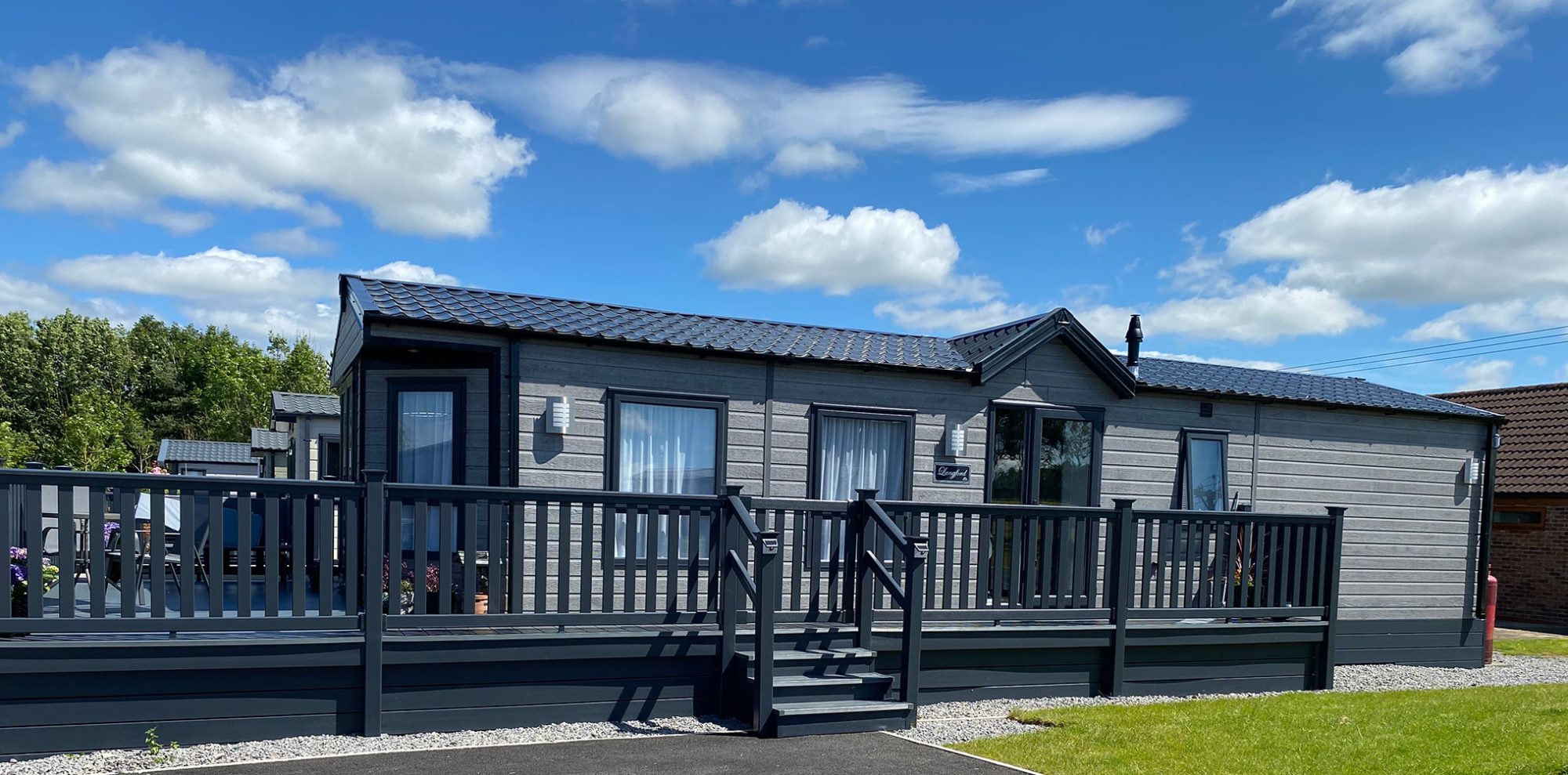
People naturally focus on the lodge or caravan itself first. They picture the layout, the furnishings, the view from the decking. All of that matters, but the setting matters just as much.
A holiday home can look fantastic on paper and still not be the right fit if the park atmosphere is wrong. Some people want lively entertainment and a busier social scene. Others want peace, good facilities and somewhere they can properly switch off. For many mature buyers and couples, comfort and surroundings carry far more weight than noise and novelty.
That is where park location, maintenance standards and amenities come into their own. Easy access, well-kept grounds, practical on-site facilities and leisure extras all shape whether you use your holiday home often or only occasionally. If you love angling, for example, private fishing lakes are not a small extra. They become part of the rhythm of ownership.
At a park such as Parklands Caravan Park, the appeal is not only the home itself but the wider lifestyle around it – countryside views, quality plots, on-site fishing and the convenience of having everything in one place.
New or pre-owned?
This depends on budget, expectations and how you plan to use the home. A new holiday home will usually offer the latest design, strong energy efficiency and that fresh, untouched feel many buyers love. It can also bring peace of mind around condition and early maintenance.
A pre-owned model can offer a lower entry price and may suit buyers who want to step into ownership without stretching too far financially. The trade-off is that an older unit may have a shorter remaining lifespan on park, may need more upkeep and may not have the same specification as a new lodge.
Neither option is automatically better. It comes down to whether you value lower upfront cost or longer-term comfort and features. If you plan to spend a great deal of time there, investing in layout, insulation and finish can make a real difference.
Understanding licence terms and park rules
Part of learning how holiday home ownership works is accepting that park ownership is a shared environment. That is a positive for most people, because it helps keep standards high, but it does mean there are rules.
These rules often cover practical points such as season dates, guest behaviour, parking, pets, subletting and maintenance expectations. There will also usually be an agreement setting out how long the home can remain on its pitch, what happens if you later choose to sell and what responsibilities sit with you versus the park.
This is not something to rush past. The best ownership experiences tend to come when buyers know exactly what they are signing up for and feel comfortable with it. A straightforward, well-explained agreement builds trust and avoids surprises later.
Is holiday home ownership good value?
For the right buyer, it can be excellent value, but not in the same way as an investment flat or a buy-to-let property. The real value is lifestyle value. You are paying for convenience, familiarity and the chance to take more breaks in a place that already feels like yours.
That can mean spontaneous weekends away, longer summer stays and regular time outdoors without the hassle of booking somewhere new each time. If your alternative is repeated hotel stays, seasonal price rises and the uncertainty of availability, ownership can begin to make strong practical sense.
That said, it only feels worthwhile if you use it. Buyers who get the most from ownership are usually those who genuinely want a regular retreat. They know the area suits them, they enjoy the park setting and they can picture themselves returning again and again.
Questions worth asking before you buy
Before making any decision, ask how long the park is open each year, what the annual fees include and whether there are additional charges for utilities or services. Ask about the expected lifespan of the home on the pitch, resale arrangements and whether there are rules around family use or guests.
It is also wise to ask what day-to-day ownership feels like. Is the park peaceful? Are the facilities well maintained? Is the location convenient for the kind of breaks you actually want to take? Those questions often tell you more than a specification sheet.
A viewing helps bring all of this together. You can see the quality of the surroundings, judge the atmosphere for yourself and get a much better sense of whether the park fits the lifestyle you have in mind.
Who holiday home ownership suits best
Holiday home ownership tends to suit people who are not chasing novelty every weekend. It suits buyers who want consistency, comfort and a place they can settle into. Retirees, semi-retired couples, families who prefer UK breaks and people with hobbies like fishing often find it especially rewarding because the home becomes part of a wider routine they genuinely enjoy.
That is also why the emotional side matters. You are not simply buying accommodation. You are choosing where quiet mornings happen, where friends and family visit, where you go to reset after a busy spell, and where ordinary weekends feel a bit more special.
If that sounds like what you are looking for, take your time, ask sensible questions and choose a park that feels right as well as looks right. The best holiday home is not just the one with the nicest interior – it is the one you will keep wanting to come back to.