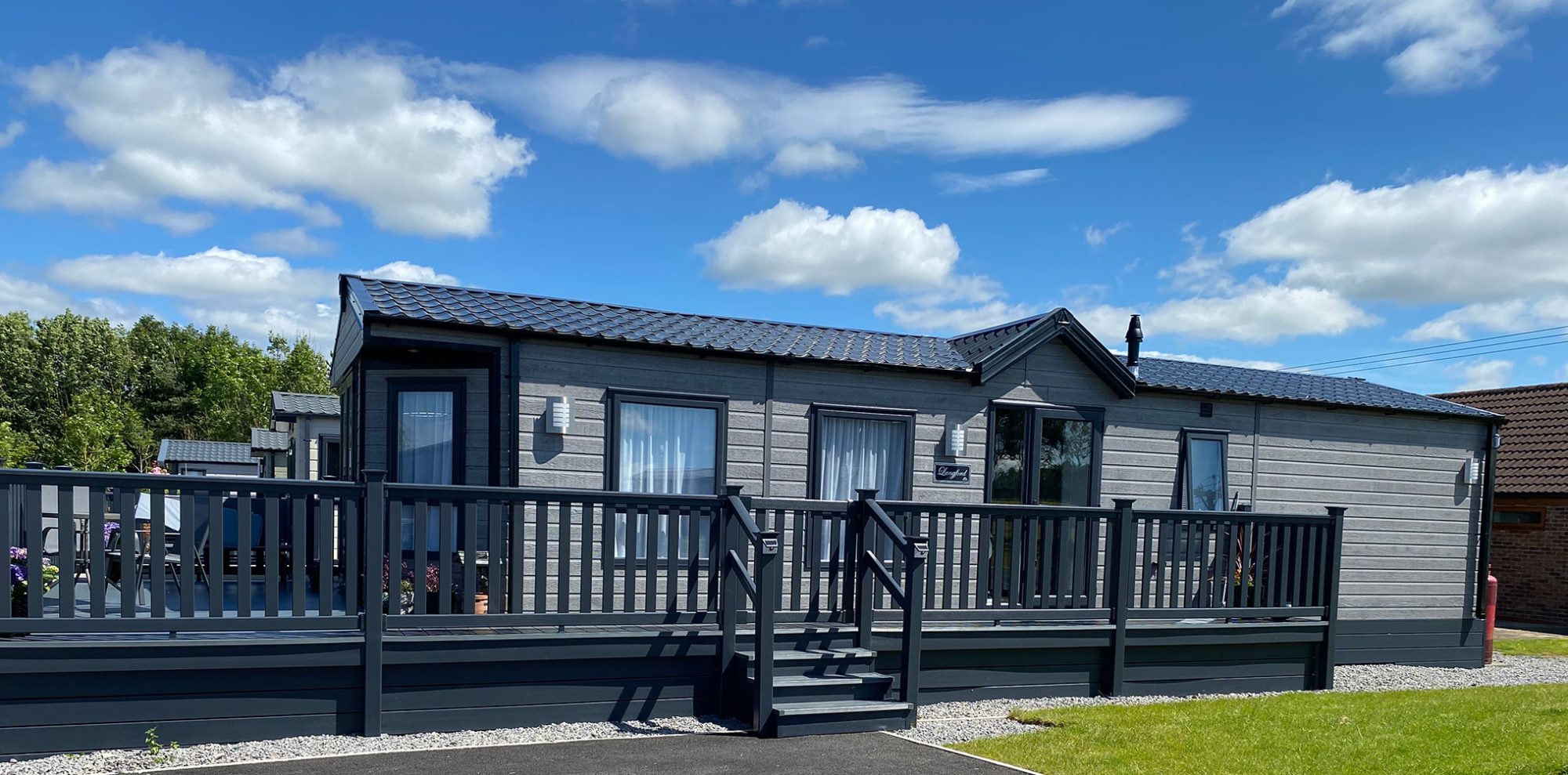

Buying a holiday lodge usually starts with a picture in your head – quiet mornings, a better view from the window, and the freedom to head away without the usual packing stress. A good holiday lodge buying guide should help you look beyond that first feeling and work out whether the lodge, the park, and the lifestyle genuinely fit the way you want to spend your time.
That matters because buying a lodge is rarely just about square footage or a stylish interior. It is a lifestyle purchase. You are choosing where your weekends, longer stays, family visits and slower days might happen for years to come. Get it right, and it becomes a proper home from home. Rush it, and even a beautiful lodge can feel like the wrong fit.
What to think about before you buy
The first question is not which lodge looks best. It is how you want to use it. Some buyers want somewhere peaceful for regular short breaks. Others want longer stays through the seasons, with space for visiting family and enough comfort to settle in properly. If fishing, walking, golf or simply being outdoors matters to you, the right setting can make a bigger difference than an extra foot of lounge space.
It is worth being honest here. If you know you will use your lodge often, year-round access and an easy-to-reach location become far more valuable. If your ideal break means a quiet coffee, a waterside view and a gentle pace, a park built around tranquillity will suit you better than one focused on constant entertainment. There is no single best choice – only the best match for your routine.
Budget should also be thought about in the round. The purchase price is only one part of the decision. Ongoing site fees, utilities, insurance, maintenance and any extras tied to ownership all need to feel manageable. A lodge that stretches the budget too far at the start can stop being relaxing very quickly.
Holiday lodge buying guide: the costs buyers should ask about
When people first view a lodge, it is natural to focus on the finish, the bedrooms and the outlook. The practical questions often come slightly later, but they should come early. Ask for a clear breakdown of all ownership costs, not just the sale price.
Site fees are the obvious one, but not the only one. You should also ask how utilities are charged, what insurance requirements apply, whether there are maintenance responsibilities for decking or external areas, and whether there are any transfer or resale considerations down the line. A trustworthy park will explain these clearly and without fuss.
It is also sensible to ask what is included in the price. Some lodges come with decking, furnishings, integrated appliances or private parking already in place, while others may involve additional costs. These details can change the overall value quite a bit.
A cheaper lodge on paper is not always the better buy. If the plot is weaker, the specification is lower, or the ownership terms are less suitable, you may end up compromising on the very things that made you want a lodge in the first place.
The park matters as much as the lodge
This is the part many buyers only fully appreciate after a few visits. You are not just buying the lodge. You are buying into the park environment, the standards of upkeep, the atmosphere and the way your time there will feel.
Look closely at how the park is presented. Are the grounds well kept? Does it feel calm, welcoming and cared for? Are the facilities genuinely useful, or are they there more for brochure appeal than everyday enjoyment? For many buyers, practical comforts matter more than flashy extras. Reliable Wi-Fi, clean facilities, easy parking, a pleasant café and attractive surroundings often add more to regular use than novelty features.
If leisure is part of your reason for buying, check that it fits your habits. A peaceful park with scenic plots, on-site fishing and nearby countryside can be ideal for buyers who want to switch off and settle in. For some, that kind of setting offers far better value than a busier resort-style experience they would rarely use.
This is one reason mature buyers and families looking for a dependable UK retreat often prefer parks with a more relaxed feel. You want somewhere that still feels enjoyable on your tenth visit, not just your first.
Choosing the right plot
The lodge itself may catch your eye, but the plot often shapes day-to-day enjoyment more than people expect. Outlook, privacy, sunlight, parking, access and proximity to amenities all affect how the lodge feels once the excitement of buying has passed.
A lake-view plot, for example, can completely change the experience of ownership if you value peace and scenery. Equally, if mobility or convenience matters, being close to facilities may be more useful than the best view on the park. Some buyers want a quieter edge-of-park position, while others prefer to feel more connected.
There is always a trade-off somewhere. A more private pitch may mean a slightly longer walk to the café or park facilities. A premium plot may increase the overall price. The key is knowing which compromises you will barely notice and which ones will irritate you over time.
Inside the lodge: comfort, layout and long-term use
It is easy to be won over by soft furnishings and clever styling, but the layout is what you live with. Think about how the space will work on an ordinary stay. Is there enough room in the kitchen if you enjoy cooking? Does the main bedroom feel comfortable rather than simply presentable? Is there storage for clothing, fishing gear, walking kit or the bits and pieces you will want to keep on site?
Heating and insulation deserve proper attention too, especially if you plan to visit in colder months. A lodge with good build quality and a comfortable specification can make year-round use far more enjoyable. If ownership is meant to give you a retreat in every season, warmth and practicality are not small details.
Ask yourself how often guests are likely to stay. If family members or grandchildren will visit regularly, the second bedroom and living area need to feel genuinely usable. A lodge that suits two people perfectly may feel cramped if entertaining becomes part of the pattern.
A holiday lodge buying guide to location
Location is not just about county or postcode. It is about ease, rhythm and what surrounds you once you arrive. A lodge in a beautiful setting can still be the wrong choice if getting there feels like a chore every time.
For many buyers, the sweet spot is a place that feels properly away from home but is still straightforward to reach for a weekend or a midweek break. Countryside surroundings, nearby market towns, good road access and local attractions all add to that sense of convenience without taking away the escape.
Think about what you actually want nearby. Some people want walking routes, fishing and open views. Others want cafés, local shops and places to visit without needing a long drive. If your lodge is going to become part of your routine, the wider area should support the kind of breaks you enjoy most.
In North Yorkshire, for instance, many buyers are drawn to the balance of rural calm and practical access. That combination can make spontaneous stays much more realistic, which usually means you get better value from ownership.
Questions to ask on a viewing
A viewing should feel relaxed, but it is still your chance to get clear answers. Ask how long the season runs, what ownership rules apply, what fees cover, and how the park supports owners after the sale. It is also worth asking about the community feel. Some parks are friendlier and more settled than others, and that can have a real effect on your experience.
Take your time walking the park, not just the lodge. Sit for a moment if you can. Picture an ordinary Tuesday there, not only a sunny bank holiday. That is usually when instincts become more reliable.
If you are considering a park with added leisure appeal, such as fishing lakes, a café and well-kept outdoor space, ask yourself whether those things would genuinely become part of your stay. When they do, they add real everyday value. At places such as Parklands Caravan Park, that blend of comfort, scenery and on-site leisure is exactly what helps buyers picture ownership more clearly.
Buy for the life you want to live there
The best lodge purchase is rarely the one with the flashiest finish or the most persuasive sales pitch. It is the one that feels right on a damp weekday in November as much as it does on a bright summer afternoon. If the park feels welcoming, the costs are clear, the location is easy, and the lodge fits the way you actually spend your time, you are far closer to making a decision you will stay pleased with.
A holiday lodge should make getting away feel simpler, calmer and more enjoyable. If a viewing leaves you already imagining your next visit, rather than worrying about the practicalities, that is usually a very good sign.